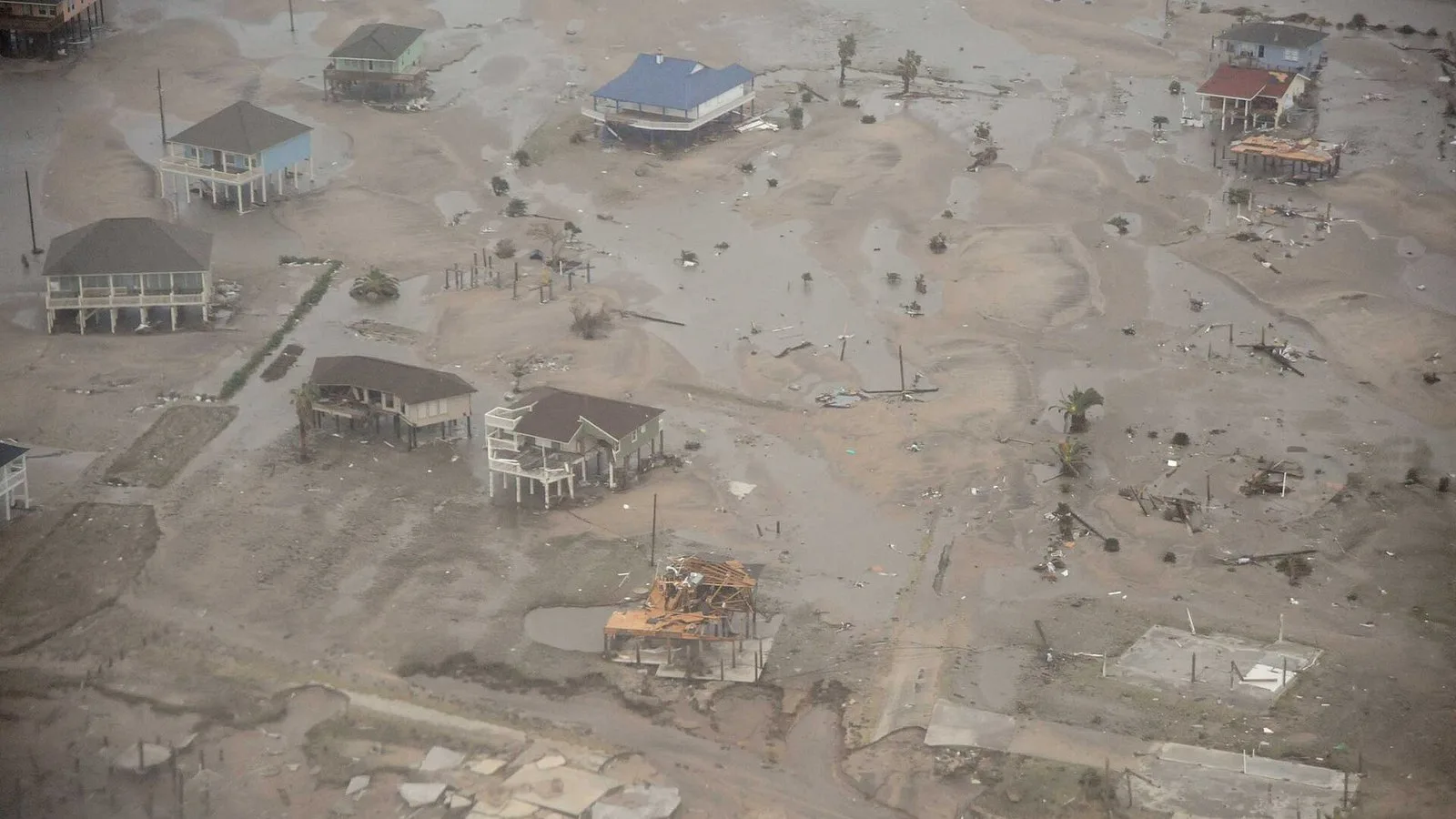
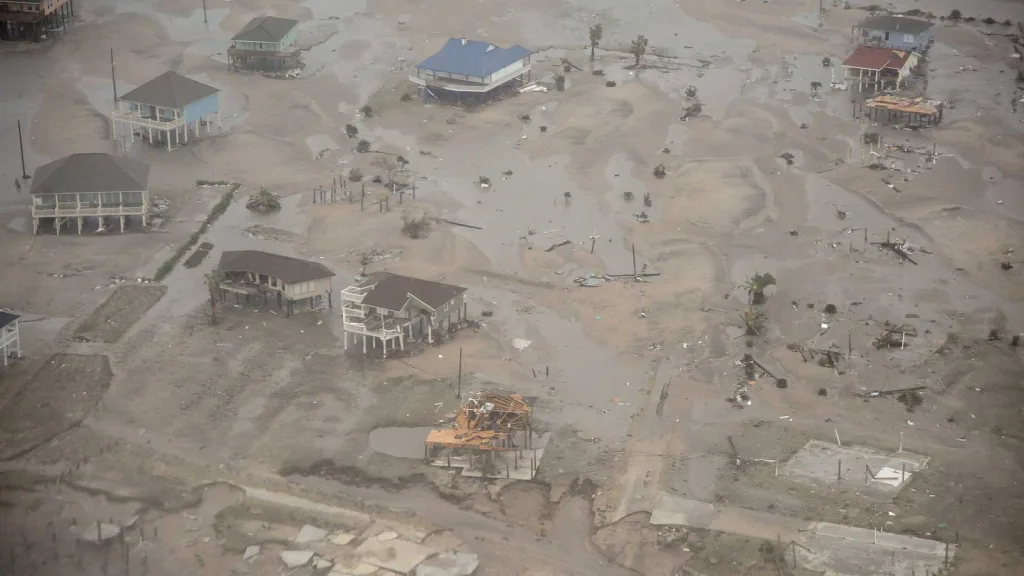
Texas and Florida do not share a legislature, but they have often shared a disaster-aid argument in Congress. After Hurricane Harvey in Texas and Hurricane Irma in Florida in 2017, and after later storms on both coasts, members of the two delegations were frequently in the same fight over the size, the timing and the attachments on a federal relief package. An older headline at this address described that kind of cooperation in the shorthand of “teaming up to secure more hurricane relief.” The underlying fact is real, and it should be stated with the right amount of caution.
Cooperation in this setting is usually a joint letter, a press conference, or a blended bill, not a merger of two states’ interests. Florida and Texas members have also voted against one another, and against packages that carried their own state’s name, when the text included spending they did not want. The 2017 Harvey-era aid fight, already described on this site from the House roll call, is a reminder that a Texas address on a storm does not guarantee a Texas “yes” vote.
This rewrite will not invent a particular joint appearance, a dollar figure, or a quotation from a member. The useful record is the Congressional Record, the official letters when they were released, and the later appropriations. Readers who want a specific session’s ask should go to those documents.
For the Bay Area, the live issue is still practical. Harvey remains the reference storm, insurance and building rules still bear its mark, and future federal aid will be decided in the same building, by some of the same institutional habits, whether or not two delegations stand at the same lectern.
Sources: Congressional Record and contemporaneous reporting on federal disaster-aid packages after Hurricane Harvey, Hurricane Irma and later Gulf and Atlantic storms; official House roll calls on 2017 relief legislation; standard accounts of Texas and Florida delegations working the same aid bills.