Insurance, not only rent, is part of the cost of living next to industry
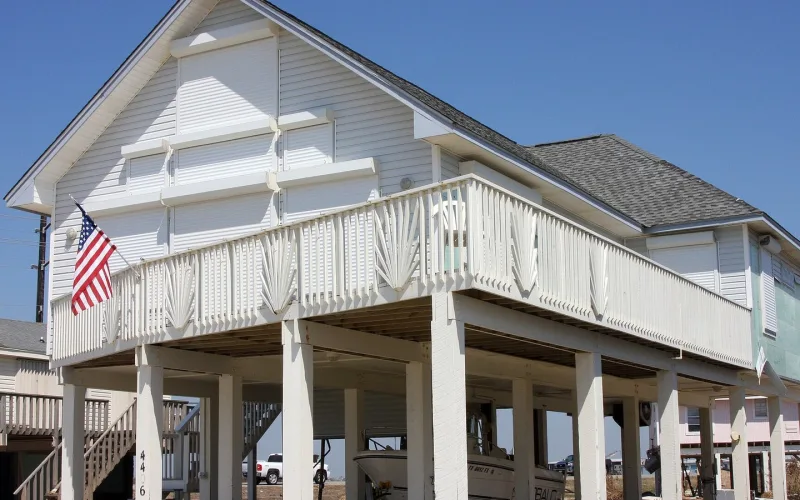
Home, auto and commercial premiums in the Ship Channel cities reflect wind, flood and proximity to plants, a stack of costs that does not show up in a tax-rate graphic.
Observer
Home, auto and commercial premiums in the Ship Channel cities reflect wind, flood and proximity to plants, a stack of costs that does not show up in a tax-rate graphic.
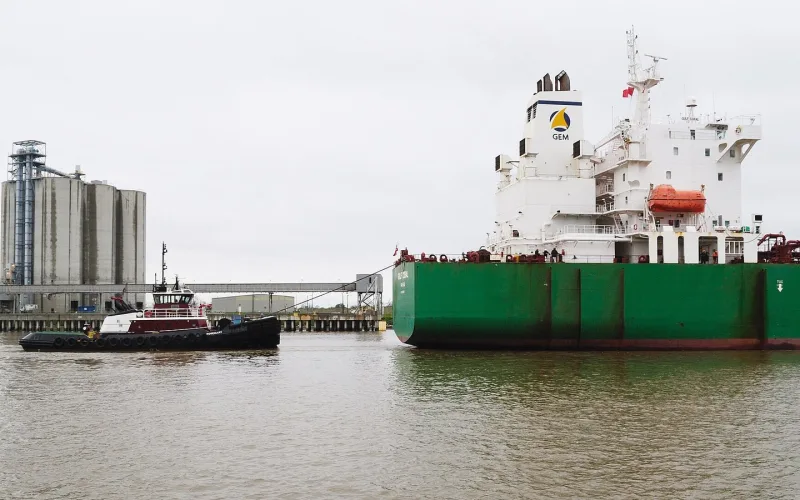
Project 11 is done. Project 12 is a study. Someone will have to pay the local share if deepening moves from paper to dredge.
Cargo statistics are a trade story. The certified values behind the terminals and plants are a municipal finance story.
In a region of bayou, bay and ship-channel shoreline, the National Flood Insurance Program and private policies are as much a household budget fact as the tax rate.
The Oct. 26 council meeting put off a collection contract. How a city pursues unpaid taxes is a household issue, not only a legal one.
Tax rates get the hearing. Debt service, issued in past years for streets, water plants and public buildings, is the quieter line that still has to be paid.
Harris Central Appraisal District and the Galveston Central Appraisal District set the values. Cities set a rate. The envelope that lands in spring is where the two meet.
National price data set the backdrop. The local version is a cart in a Seabrook, La Porte or Pasadena store, and a fuel receipt on Highway 146.
The Oct. 12 meeting approved an HCFCD F216-related item and dealt with an arbitrage rebate. Both are money stories, and both are easy to misread.
The Oct. 12 council vote set the city’s rate at 71 cents per $100 of taxable value. Council member Williams voted no. The same meeting put Shoreacres in District 5 and approved flood-control and rebate items.