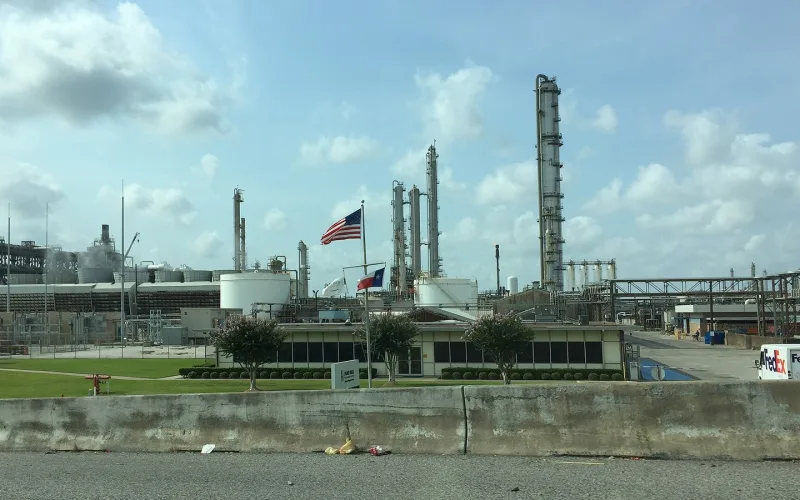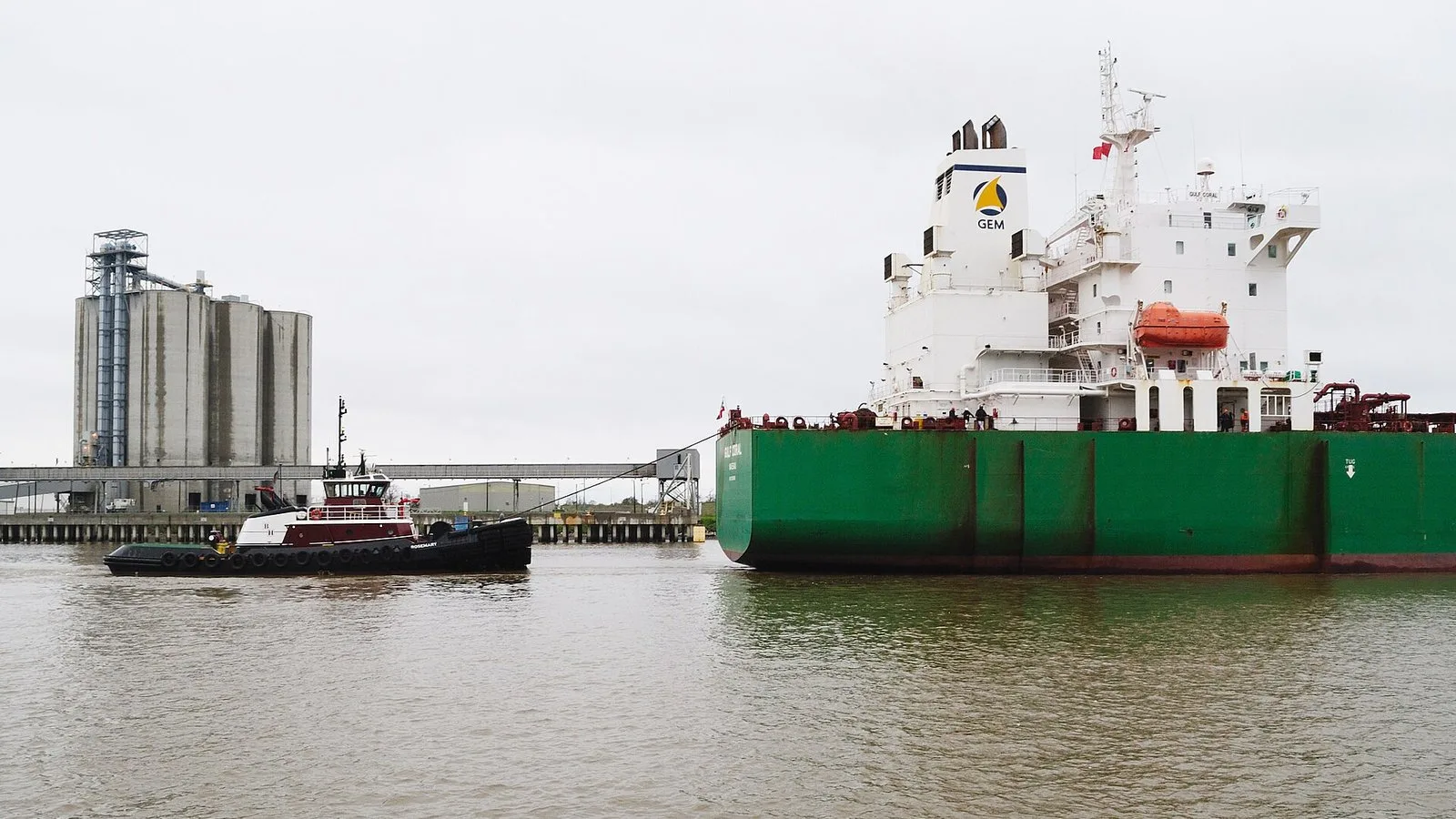
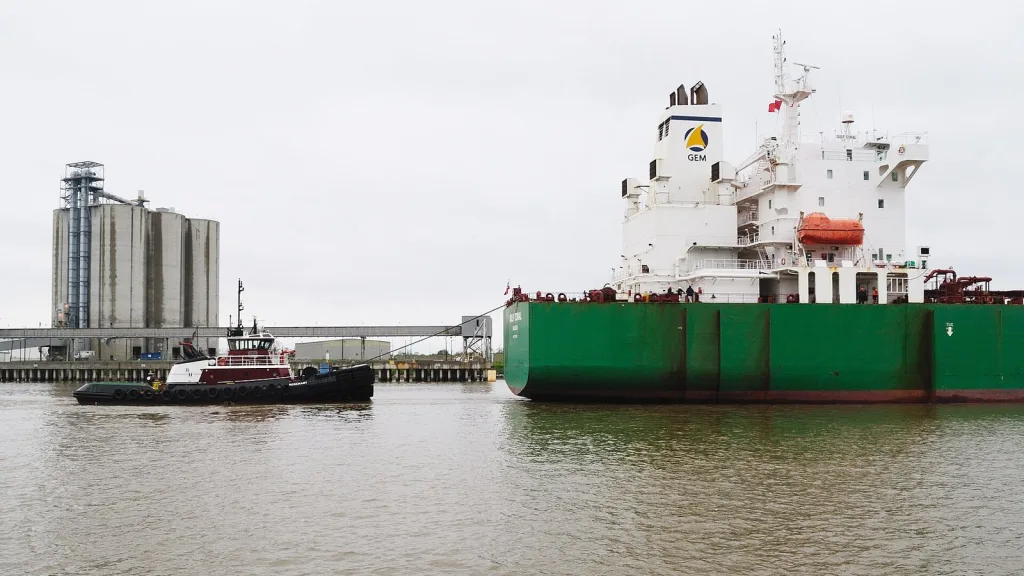
When Port Houston reports a rise in containers or a surge in steel, the first audience is usually the trade press. The second audience ought to be anyone who pays attention to a city budget in La Porte, Morgan’s Point, Seabrook, Pasadena or Deer Park. The terminals, tanks and plants along the channel are certified value on local tax rolls. They are part of what holds municipal and school finances up.
That relationship is real, and it is also easy to oversimplify. A public port authority has its own finances. Private terminals and plants are on the appraisal roll in the ordinary way, with the ordinary fights over special-use valuation, pollution-control exemptions and judicial appeals. A strong cargo year does not automatically mean a higher city levy the next spring. A weak cargo year does not automatically punch a hole in a budget that was built on last year’s certified values.
What can be said, without false precision, is that this region’s fiscal identity is industrial. Household tax rates in a Ship Channel city are often lower than a visitor from a bedroom suburb expects, and the reason is the fence line, not a uniquely frugal council. When a plant protests a value, or when a terminal expands, the effect shows up later in a truth-in-taxation worksheet.
The primary sources are the appraisal districts’ certified rolls and the cities’ adopted budgets, not a container count. This story exists to connect those ledgers to the docks that are, for once, having a very public year of widening, deepening and expansion talk.
Sources: Port Houston 2026 cargo releases; Harris Central Appraisal District public roll information; municipal budget and truth-in-taxation context for channel-area cities.