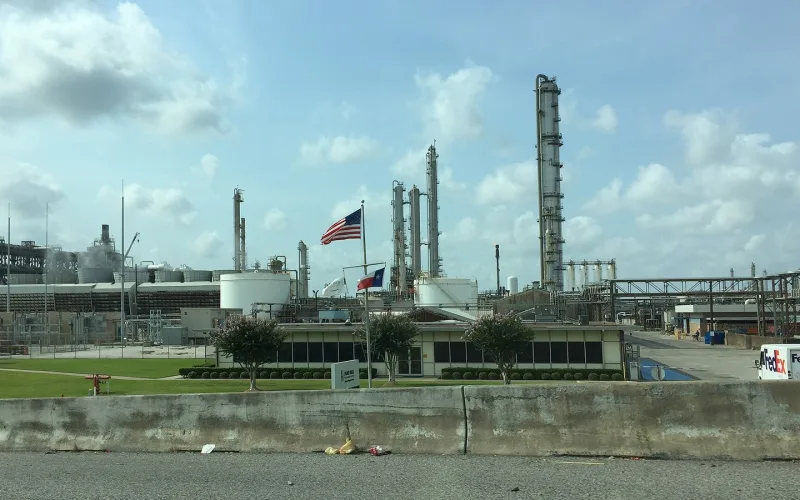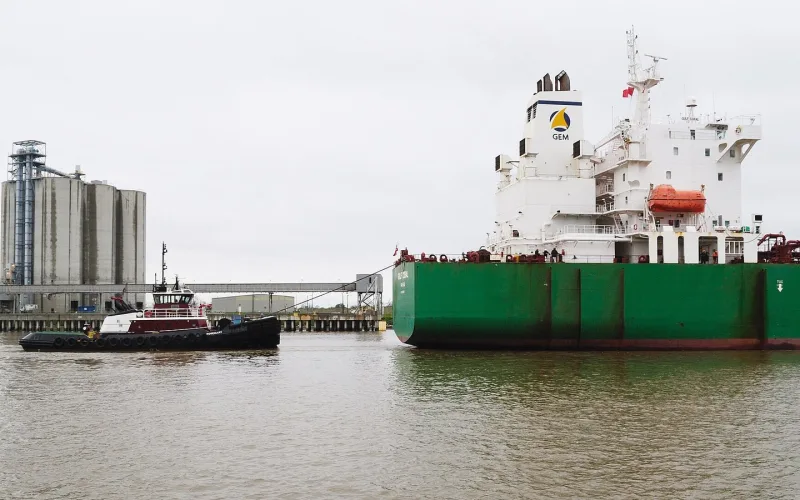
The Houston Ship Channel’s Project 11 widening, from 530 feet to 700 feet through Galveston Bay, is complete, Port Houston has said. The next project on the public agenda, Project 12, is a deepening study — including a Section 203 analysis led by the port, alongside Army Corps of Engineers work. Studies are relatively cheap. Dredging is not.
Federal waterway projects are typically cost-shared. The exact split depends on the authorization, the depth and the kind of work, and it is written into statute and into a later project partnership agreement, not into a newspaper’s guess. What a local reader can already know is that Port Houston, as the non-federal sponsor, would be in line for a substantial local share if deepening is authorized and funded. That money would come from port revenues, from bonds, or from some other public source the board would have to name in public.
This is the finance story hiding behind the engineering story. A wider or deeper channel is meant to keep large ships from going to another Gulf port. It is also a multi-year capital obligation. The Barbours Cut North and Spilman Island expansion concept, described in planning materials as about 318 acres of added terminal capacity toward the mid-2030s, is a second bill of a different kind: land, docks, cranes and mitigation, largely on the port’s own capital plan.
Until there is a published cost estimate attached to a preferred deepening alternative, any regional figure is speculative. The responsible present tense is narrower. The widening is paid and done. The deepening is a study. The local share, when it is written down, will be a budget story as much as a maritime one.
Sources: Port Houston materials on Project 11, Project 12 and the Section 203 process; U.S. Army Corps of Engineers project information; standard federal cost-share practice for navigation projects.