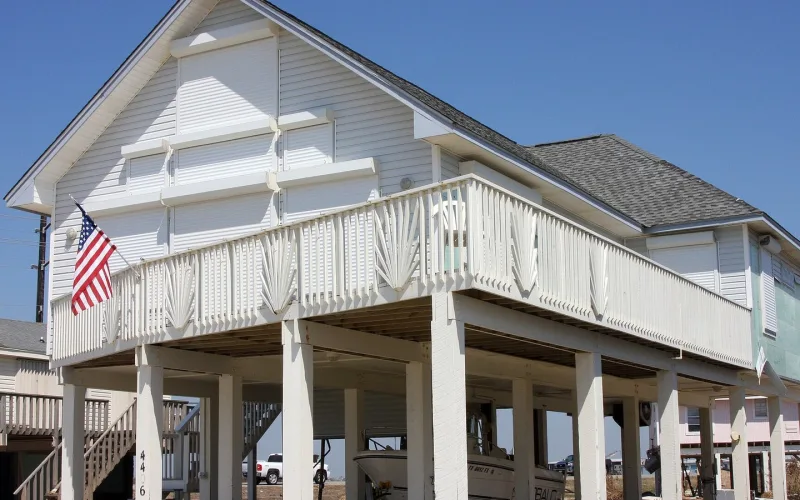
The cost of living along the Houston Ship Channel is often described as a housing story, and housing is part of it. A fuller version includes insurance. Homeowners, renters, drivers and small businesses in Pasadena, La Porte, Deer Park, Seabrook and the shore towns buy coverage in a market that prices wind, flood and, in some cases, proximity to industry. Those premiums can move a household budget as much as a rent increase, and they are set in underwriting rooms, not at a council dais.
Texas has had a hard insurance market in recent years, a fact documented in rate filings and in coverage of the state Department of Insurance and the residual windstorm market. This story is not a rate table. It is a local observation: a “cheap house” next to a plant fence or a bayou can stop being cheap once the declarations page arrives. A small contractor who works inside the industrial complex already knows the same math on the commercial side.
Public policy touches this only at the edges — building codes, flood maps, a city’s mitigation work, the state’s regulation of rates and residual markets. Most of the bill is private. That is why a finance beat in this region has to mention insurance in the same breath as appraisals and the grocery ticket, even when there is no single hearing to hang a headline on.
Households looking for a hard number should pull their current policies and, if they are shopping, get written quotes. Anecdotes about a neighbor’s premium are not a market analysis. The structural fact is enough to keep on the record: in the Bay Area, insurance is a cost-of-living story, not a footnote to one.
Sources: Texas Department of Insurance public information on the homeowners and windstorm markets; FEMA flood-map context; general reporting on the hard insurance market in Texas in recent years.