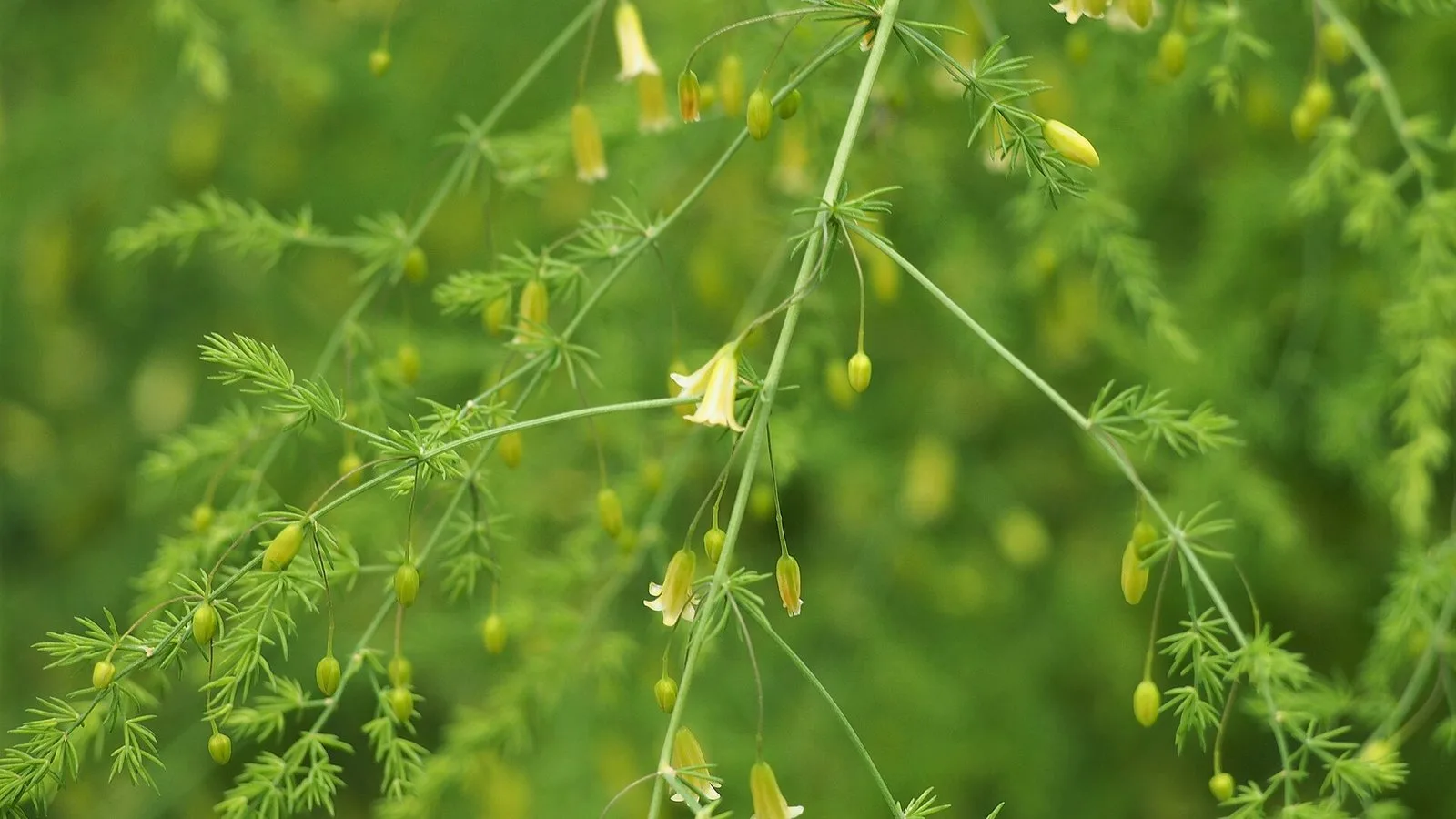
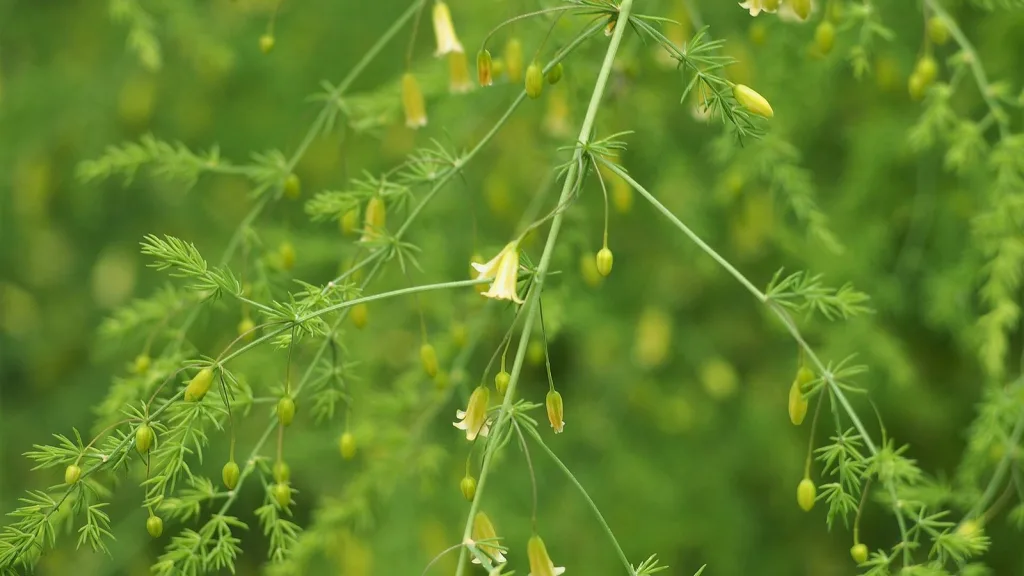
Asparagus is not a crop for a gardener who wants a harvest next month. Crowns are planted, the ferns are allowed to grow, and a serious cutting season usually waits until the second or third year. Texas A&M AgriLife Extension has long described it as a perennial vegetable that can be grown in Texas, with the usual cautions about drainage, weeds and the need to let the planting establish itself.
The Bay Area is not asparagus country in the same way Michigan or Washington is. The winters are mild, the summers are heavy, and a bed that holds water after a storm will rot crowns. Raised rows, full sun, and a commitment not to dig the bed up in a fit of impatience are the practical requirements. Some local gardeners get a respectable spring picking anyway, which is why the plant keeps showing up in Gulf Coast columns, including at this historic address.
“For the complete vegetable gardener” is an old magazine idea: if you already grow tomatoes and peppers, here is the crop that asks you to think in years. That advice is still sound. It is also a warning. If you rent, or if you are likely to redo the yard, plant something else.
For spacing, varieties and cutting rules, use a current AgriLife fact sheet, not a memory of a neighbor’s bed. This restored page is a 2026 column about a slow vegetable, written to be useful, not to be a reprint.
Sources: Texas A&M AgriLife Extension guidance on growing asparagus in Texas, including establishment time, drainage and perennial culture.