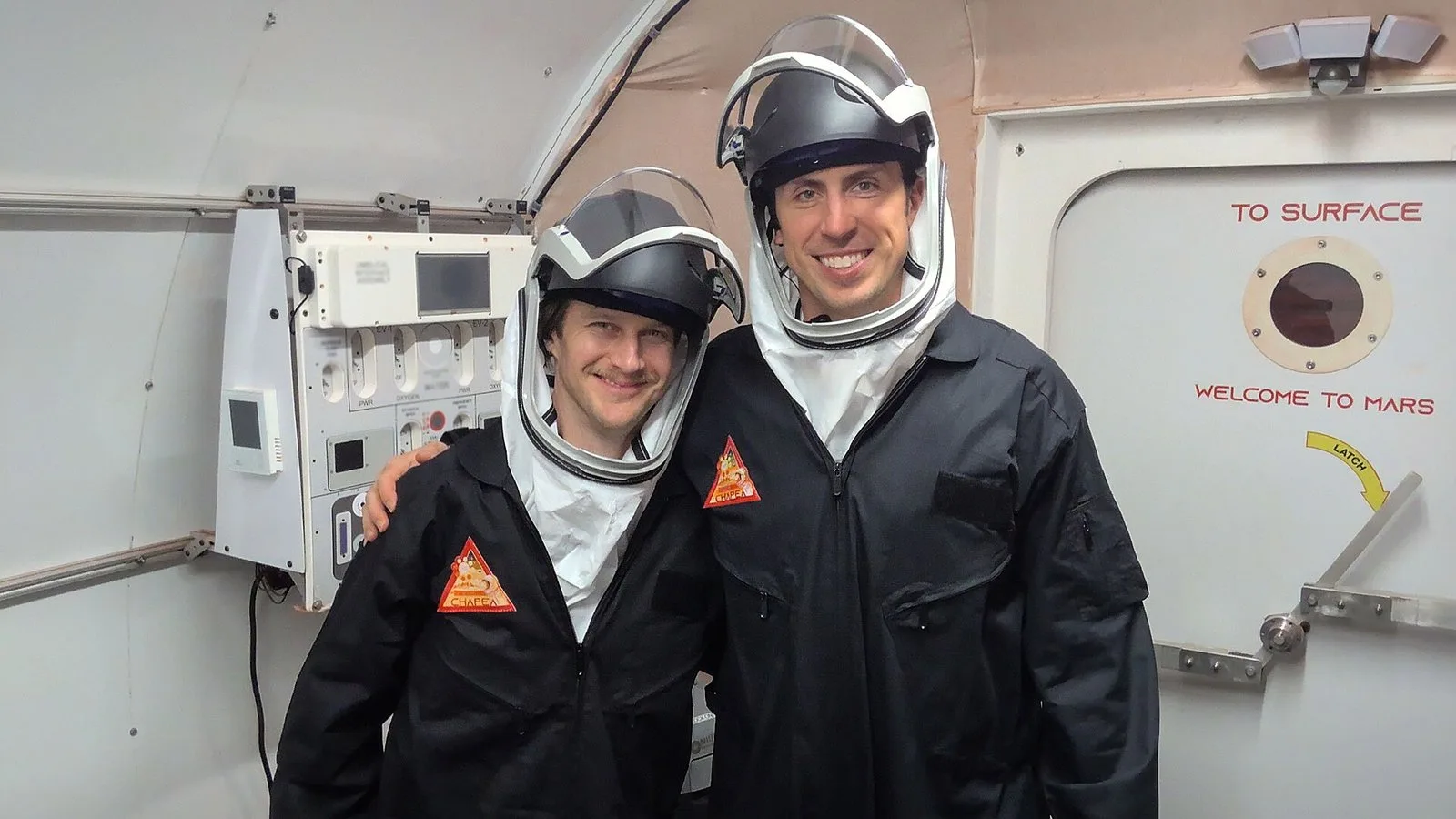
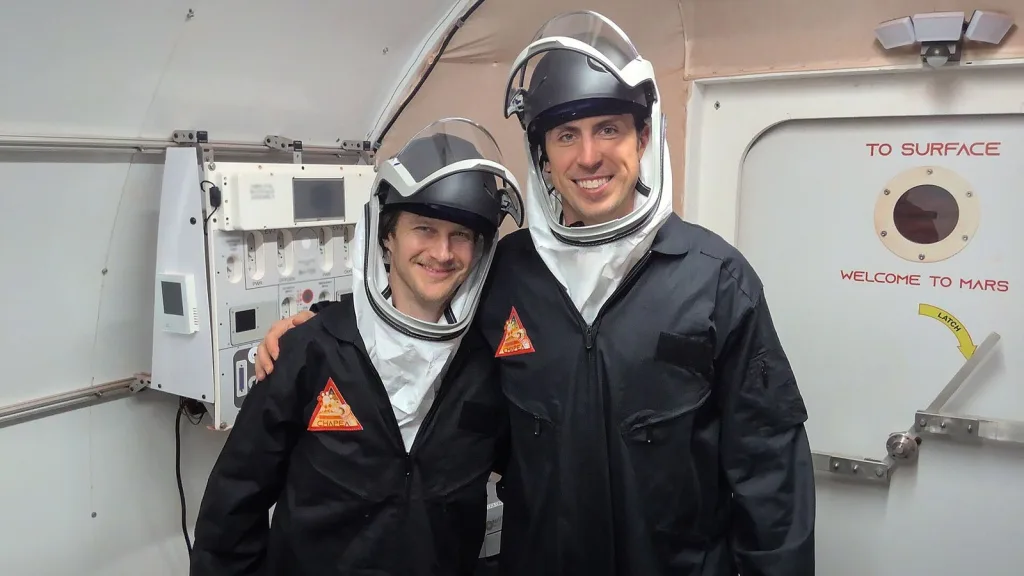
The volunteer crew of CHAPEA Mission 2 has left the simulated Mars habitat at NASA’s Johnson Space Center after 378 days inside, the agency said in a Nov. 9, 2026, update. ABC13 reported the end of the stay on Nov. 12. Ross Elder commanded the mission.
CHAPEA is NASA’s Crew Health and Performance Exploration Analog, a long-duration experiment that asks a small crew to live and work in a habitat designed to mimic a mission on Mars. The people inside are volunteers, not astronauts assigned to a flight. That distinction matters. The agency is studying food, health, performance and the ordinary human strain of a year in a closed space, not rehearsing a specific launch date.
Mission 2 followed an earlier CHAPEA stay at Johnson. A 378-day clock is long enough for a crew to settle into a routine and then get tired of the routine. NASA’s public updates are the authoritative account of when the hatch opened and who was in command. This story does not add private medical details or invented remarks from the crew.
For Clear Lake, the analog habitat is a reminder that not all of Johnson’s work is a rocket on television. Some of it is a windowless building off Saturn Lane, where a handful of people agreed to spend more than a year pretending the red dirt is real so that a later crew, someday, might be better prepared when it is.
Sources: NASA, Nov. 9, 2026, CHAPEA Mission 2 update (nasa.gov/johnson news); ABC13, Nov. 12, 2026; NASA descriptions of the CHAPEA program and Mission 2 commander Ross Elder.