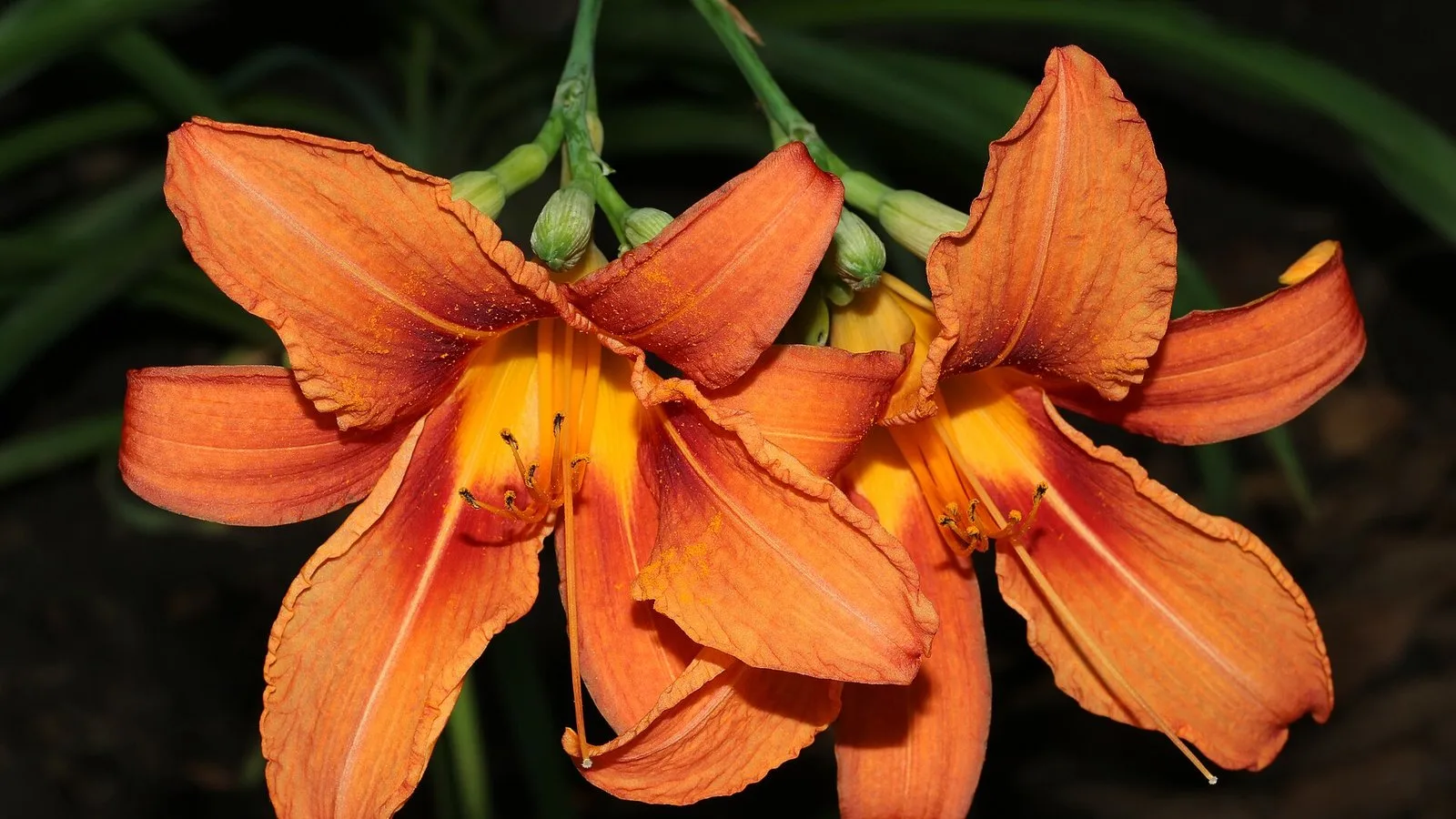
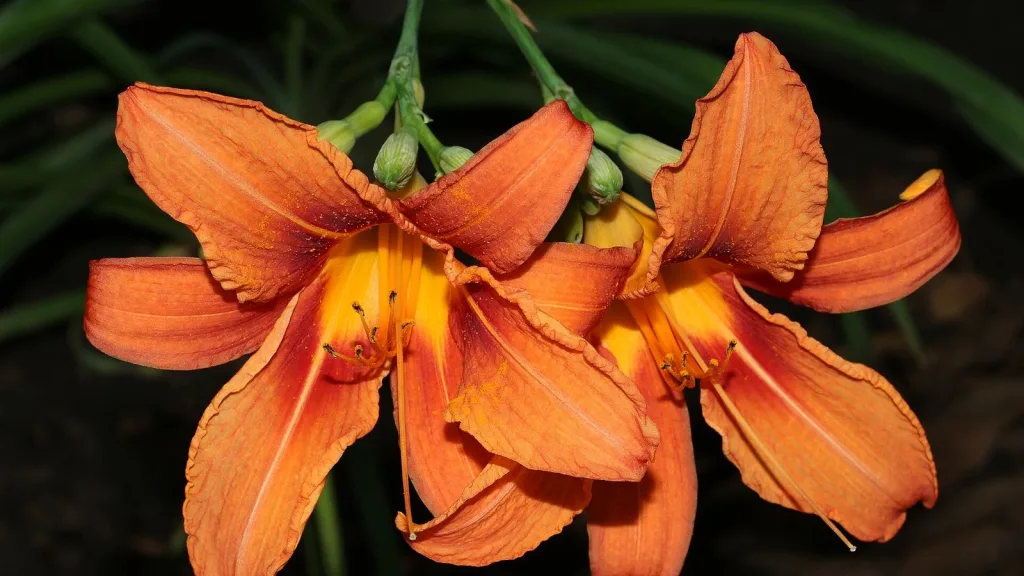
Daylilies earned their place in Texas gardens the hard way: they keep living. Hemerocallis hybrids put up fans of foliage, send bloom scapes in flushes, and generally forgive a Gulf Coast summer that defeats softer perennials. Each flower lasts about a day, which is the joke in the name, but a well-chosen clump has many flowers and more than one flush if it is fed and divided when it crowds itself.
AgriLife and local master-gardener resources have recommended daylilies for Houston-area beds for a long time, with ordinary advice that still holds. They want sun, they will tolerate a range of soils if drainage is decent, and they should be divided when the clump becomes a tight doughnut of roots with a dead center. Spider mites and rust can show up; a hose, sanitation and a willingness to discard a sick fan go further than panic.
The “beautiful day” of an old headline is as much as a daylily promises. It is not a peony and it is not a rose. It is a reliable color in a climate that chews up reliability. For cultivar names — the evergreen versus dormant types, the ones that rebloom, the ones that stand up in our humidity — current society lists and Extension publications are better than a nursery impulse buy based only on a photograph of a flower the size of a salad plate.
This column returns a historic garden URL to service with that modest advice, dated in 2026 and not backdated to the original clipping.
Sources: Texas A&M AgriLife Extension and Houston-area master-gardener guidance on daylilies (Hemerocallis) for Texas perennial beds.