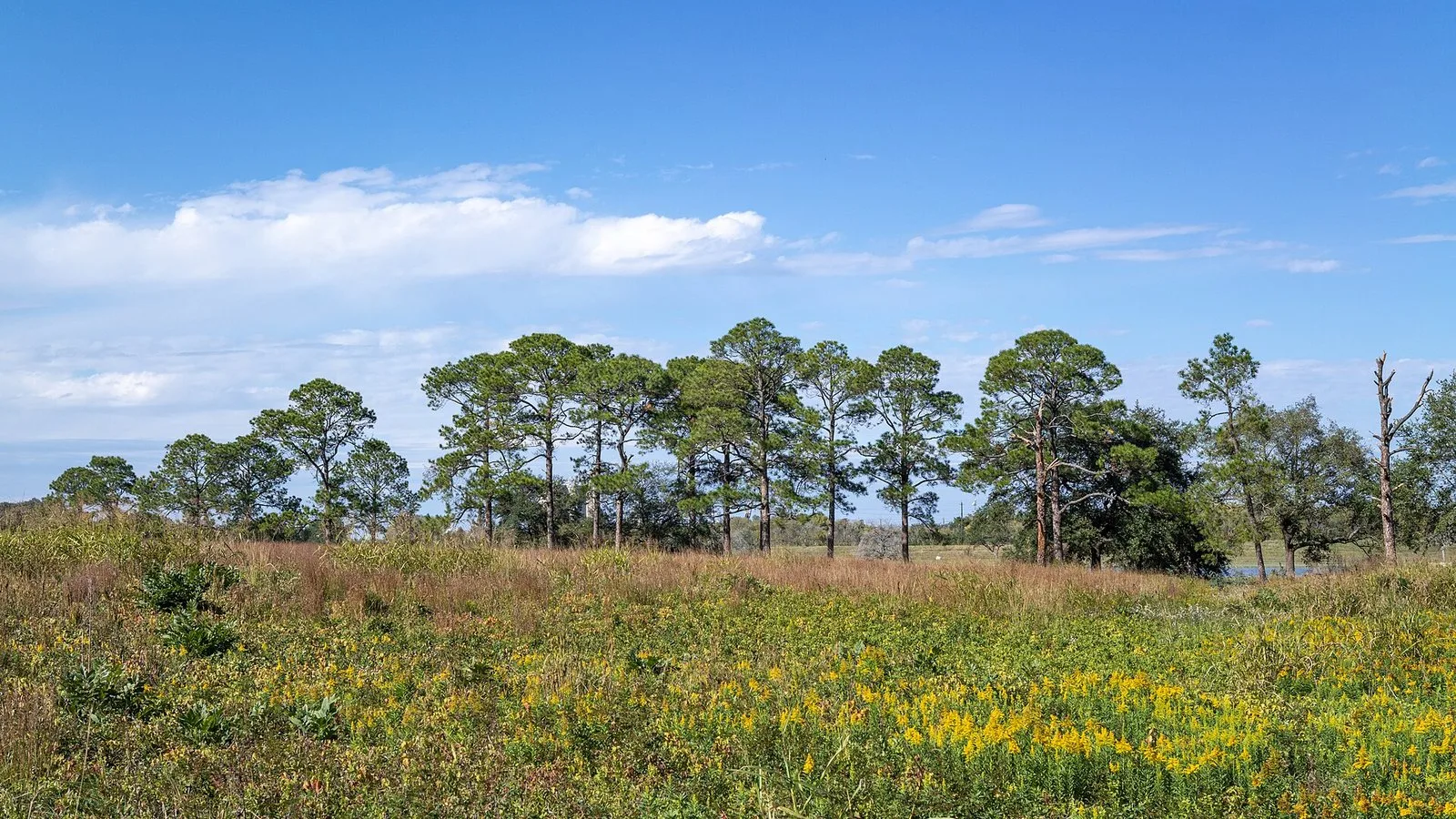
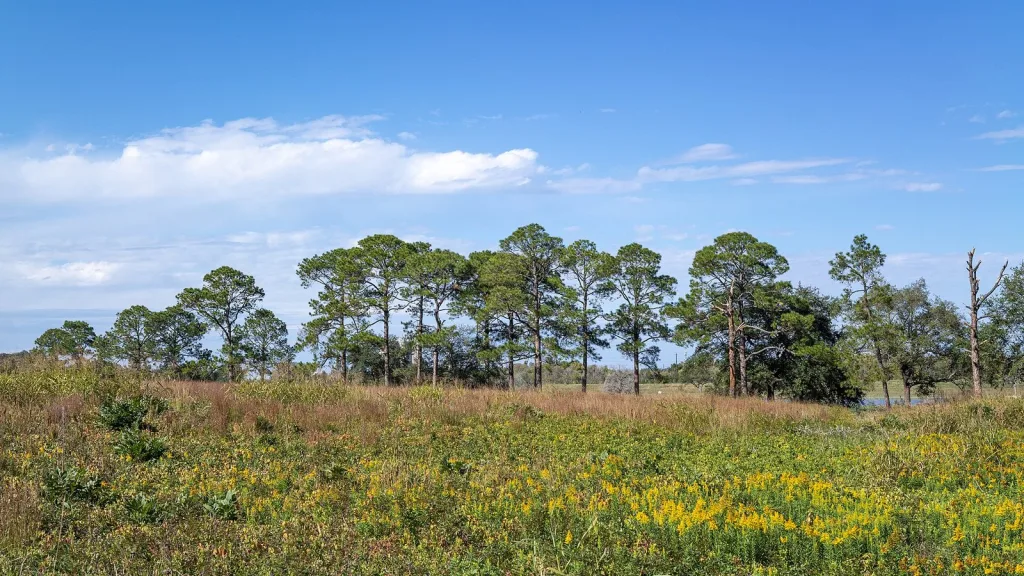
The San Jacinto Battleground is a historic site first, and a prairie second, but the two are connected. The tall grass that once covered this part of the coastal plain is part of the ground over which the 1836 battle was fought. Large parts of the site later grew up in Chinese tallow and other woody plants that do not belong in a tallgrass prairie. Texas Parks and Wildlife, which has managed the state historic site, has spent years clearing that canopy and looking for the right coastal prairie seed to put back on the ground.
An earlier chapter of that work, recorded in local coverage and in the agency’s own restoration accounts, involved harvesting native seed with help from partners that included League City’s parks operation, the University of Houston Coastal Center, Native American Seed, Shell, and the San Jacinto Battleground Conservancy. One of the plants that comes up in those accounts is gayfeather, Liatris spicata, a native blazing star that belongs in a coastal prairie mix. The numbers attached to a particular planting — including a roughly 110-acre restoration target discussed in that period — should be read as the figures used at the time, not as a claim that every acre is finished forever. Prairie restoration is maintenance as much as it is a groundbreaking.
The reason the seed had to come from other Houston-area sites is also still true. Intact coastal prairie is scarce. The battleground’s remaining patches were, in the agency’s own description then, too small and too patchy to harvest from successfully. Parks and remnant prairies around the region became the donor stock.
Visitors who walk the site now are looking at a work in progress that is older than a single season. For current management plans, TPWD and the San Jacinto Historical Advisory Board are the primary sources. This page restores a historic URL with a fresh account of that restoration, not a copied article.
Sources: Texas Parks and Wildlife Department public materials on prairie restoration at San Jacinto Battleground State Historic Site; contemporaneous public accounts of partner seed harvests from Houston-area parks and the University of Houston Coastal Center, including the role of Native American Seed, Shell and the San Jacinto Battleground Conservancy.