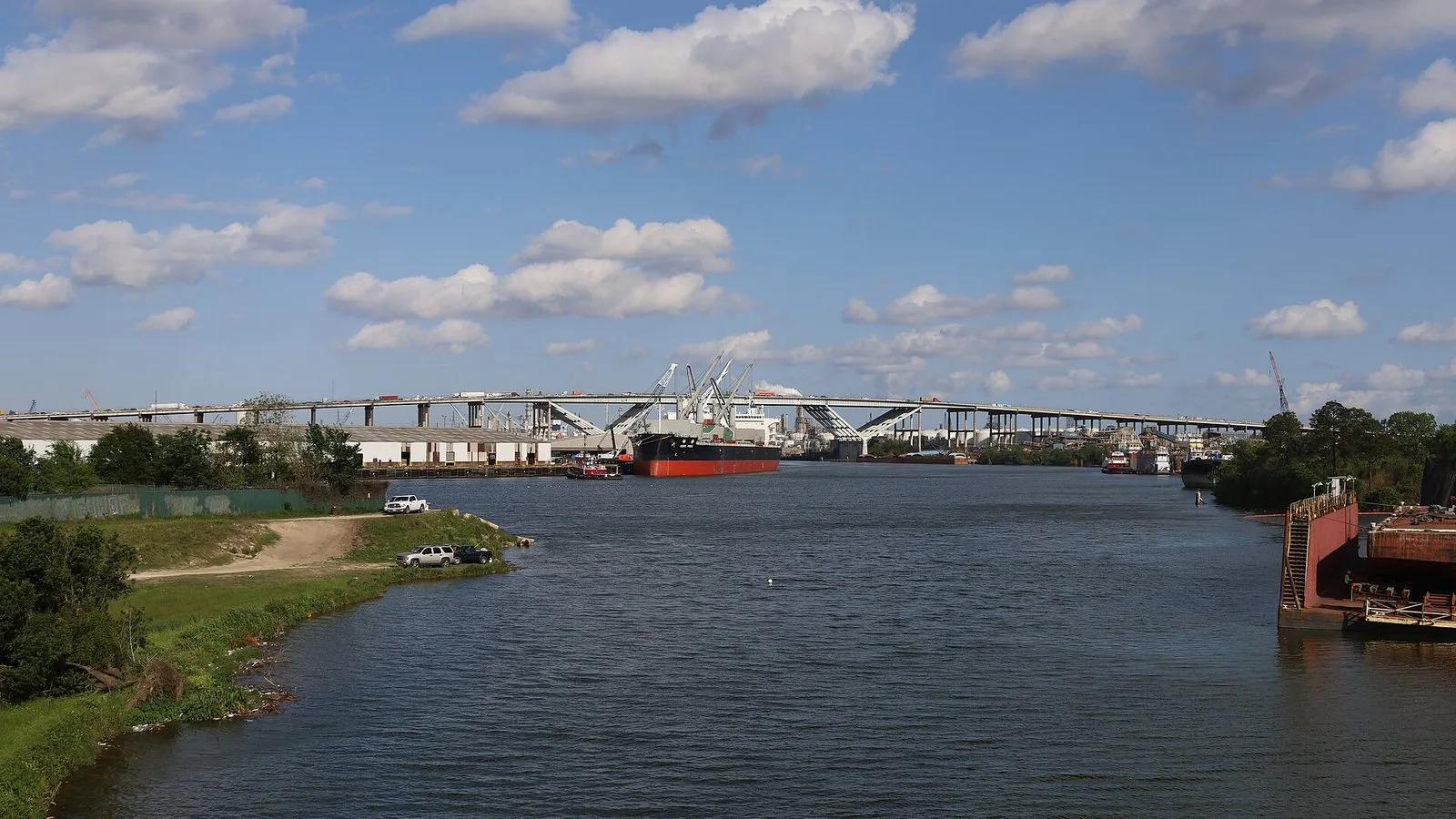
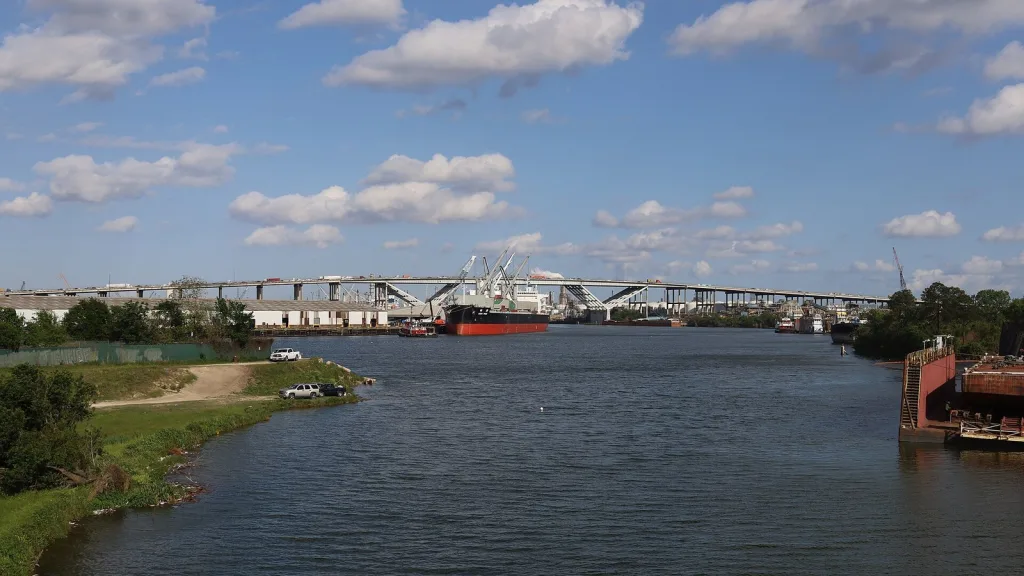
With the Project 11 widening finished, Port Houston has been pushing the next question: depth. The port has advanced a deepening study under Section 203 of the Water Resources Development Act, a process that lets a non-federal sponsor, such as a port authority, prepare a feasibility study for the Army Corps of Engineers. The Corps has its own study work in the mix. Together they are known, in the port’s language, as Project 12.
Deepening is slower, more expensive and more environmentally scrutinized than widening. It raises questions about spoil, salinity, ship wakes and who pays. It also has a simpler commercial logic: ships have grown, and a channel that is wide enough but not deep enough still turns some of them away or forces them to lighten their loads at another port.
A study is not a dredge. Section 203 work can sit for years, be rewritten, or be authorized and then wait for a federal appropriation. Readers should treat every “Project 12” headline as a process story until there is a signed chief’s report, a congressional authorization and a funded contract. Port Houston and the Corps publish the official study status; this newspaper will follow those papers, not the hallway version of a depth number.
For Bay Area cities, the stakes are local even when the decision is federal. A deeper channel would be felt at Barbours Cut and Bayport, on the roads that serve them, and in the industrial tax base that La Porte, Morgan’s Point, Seabrook and Pasadena lean on.
Sources: Port Houston public materials on Project 12 and the Section 203 deepening study; U.S. Army Corps of Engineers information on the Houston Ship Channel; Water Resources Development Act Section 203 process.