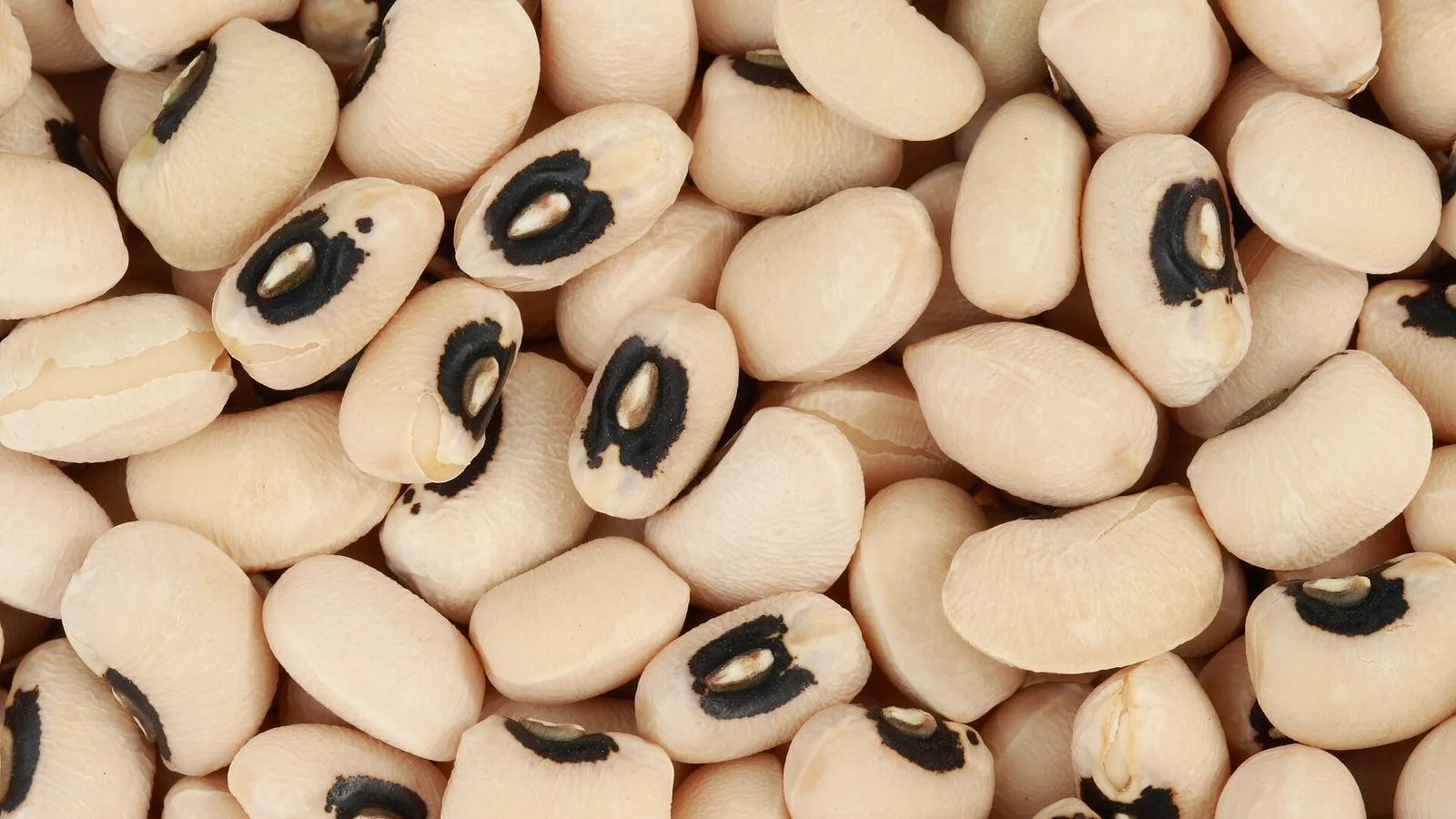
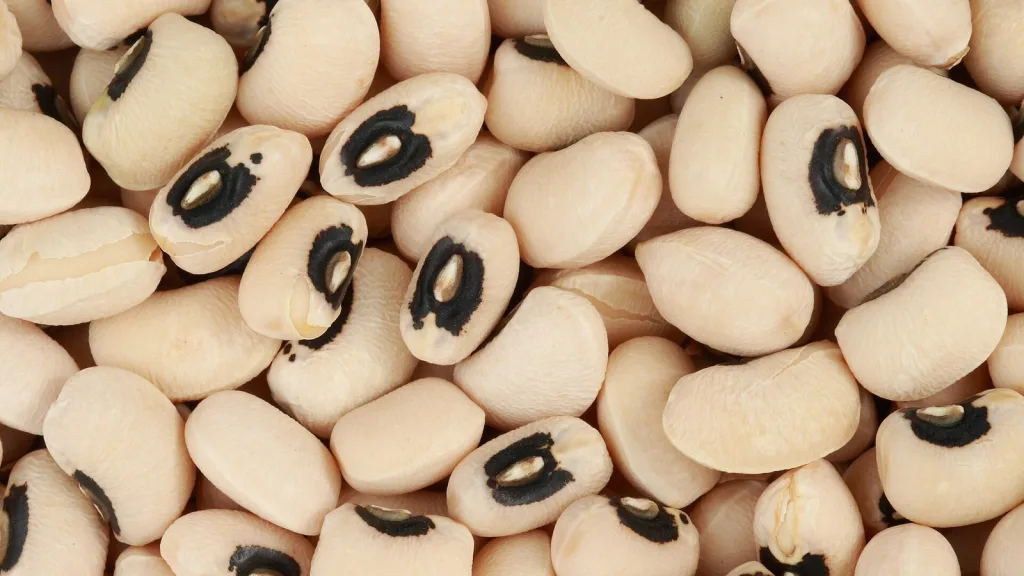
Southern peas — black-eyed peas, crowders, cream peas and the rest of the cowpea group — are a Gulf Coast crop for a reason. They take heat that would stop a spring snap bean, they fix some of their own nitrogen, and they can be eaten fresh as snaps or shelled, or dried for the pot. Texas A&M AgriLife Extension has recommended them for years as a summer vegetable in this part of the state.
In the Bay Area, the gardening calendar is the constraint. Peas of this type want warm soil. Planted too early they sit and sulk; planted in the heat, with water and a little fertilizer, they will run. The usual pests and drainage problems of a coastal bed still apply. A heavy clay yard that floods after a tropical rain is a poor bet unless the bed is raised.
This is a fresh column at a historic garden URL, not a seed-by-seed reprint. Variety names change in catalogs. For current recommendations, planting dates and disease notes, AgriLife’s vegetable guides and the Harris County Extension office are the right references. A bag of dried black-eyed peas from the store is not a substitute for a seed packet if you want a particular crowding or cream-pea type in the garden, but it will remind you why the crop is worth a row: it tastes like this climate, not like someone else’s spring.
Sources: Texas A&M AgriLife Extension vegetable guidance on southern peas / cowpeas for Texas and the Gulf Coast, including planting in warm soil and use as a summer crop.