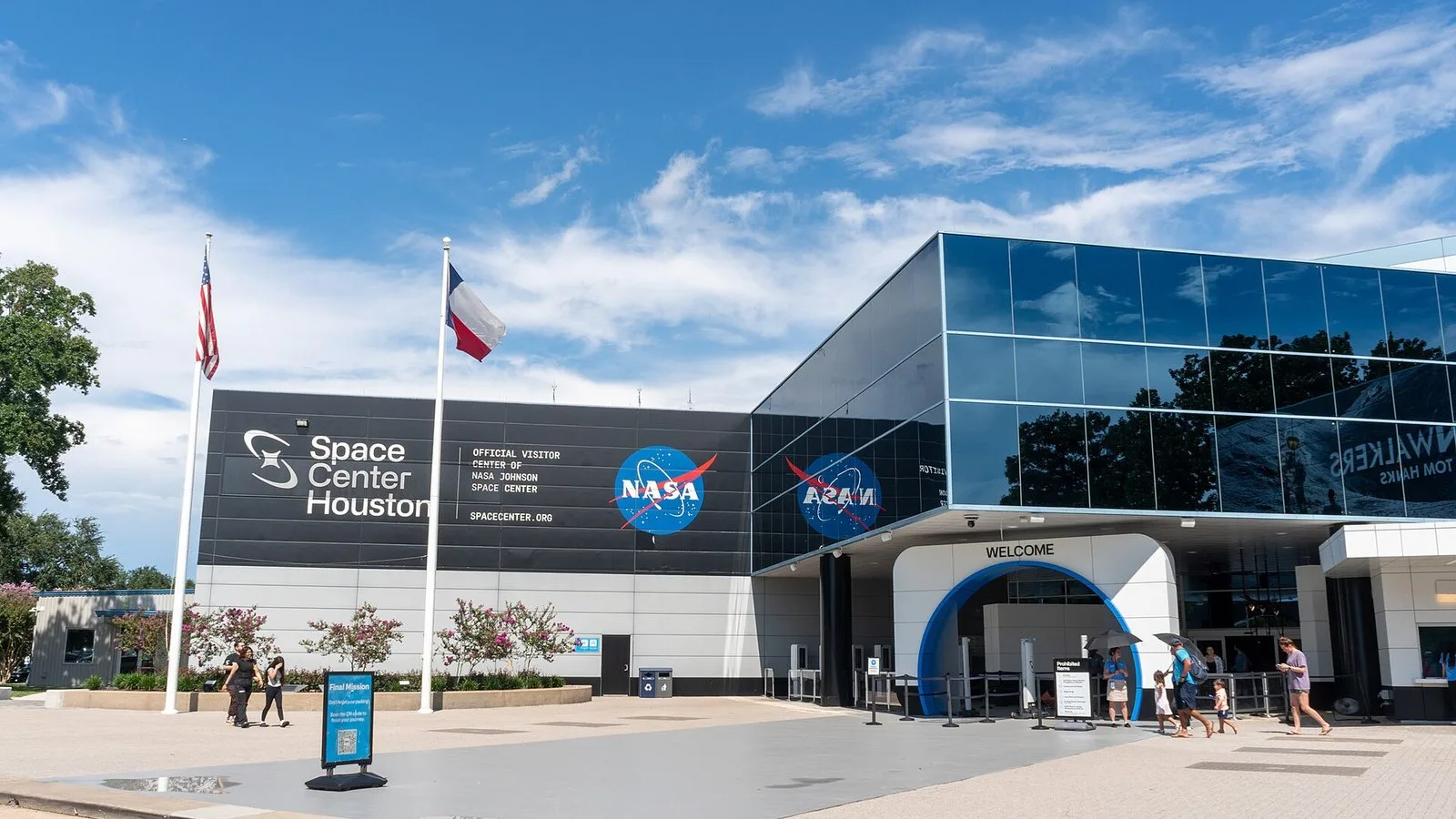
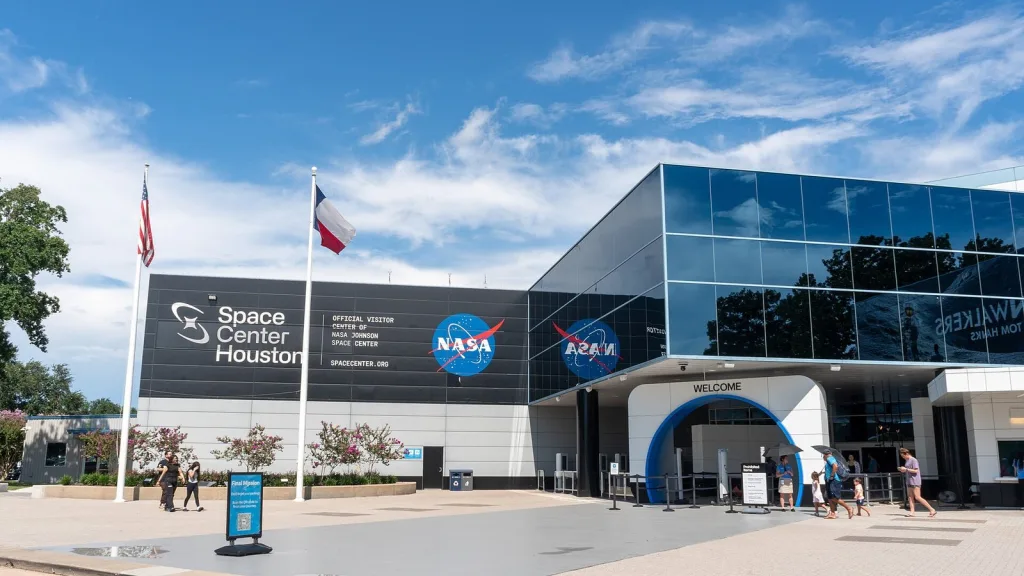
Space Center Houston is not NASA, and NASA is not a walk-up museum. That distinction is easy to lose in conversation, because the visitor campus sits next to Johnson Space Center and exists to interpret the work behind the badge line. For most people in Clear Lake, Webster and Nassau Bay — and for most people who fly in to see a Saturn V — this is the door that actually opens.
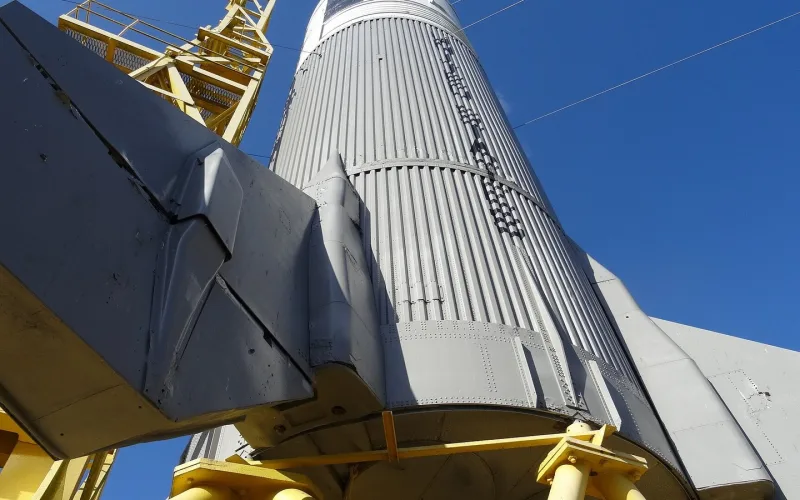
The visitor center is operated by the Manned Space Flight Education Foundation, a nonprofit, on a site adjacent to the federal campus. It has long offered a tram tour that goes onto Johnson Space Center property when the agency allows it, plus galleries, a restored Mission Control exhibit and the rockets in the outdoor park. Hours, ticket prices and tram access change; the center publishes the current rules.
The relationship matters more in a year when Johnson is marking 65 years and building new shops on campus. A public that only sees a groundbreaking photo will not understand what a fabrication facility is for. A public that only sees a museum will not understand that people still train and fly from the other side of the fence. Space Center Houston is the translation layer, and it is also a local employer and a field-trip destination for Clear Creek and La Porte schools.
This is not a review of an exhibit and not a press release. It is a note on a civic fact: the visitor campus is how a closed federal center remains a visible part of the Bay Area, and the way to confirm a visit is to check Space Center Houston’s own site, not a screenshot from last summer.
Sources: Space Center Houston public information (spacecenter.org) and NASA Johnson Space Center descriptions of the adjacent visitor campus and tram access.