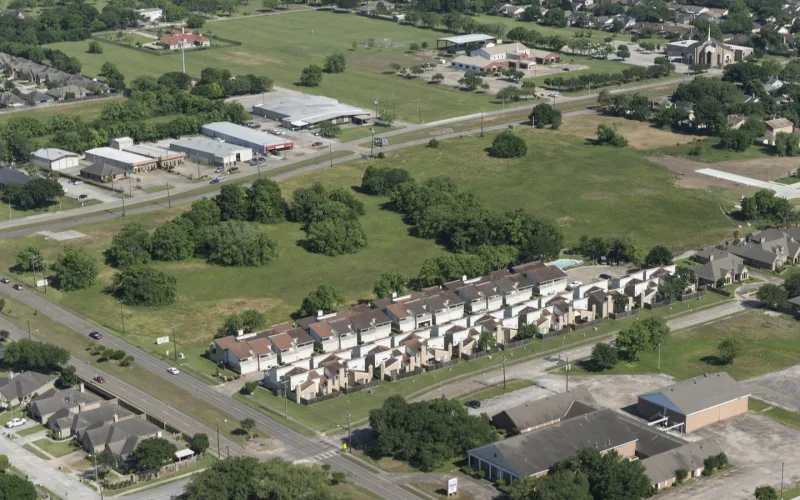
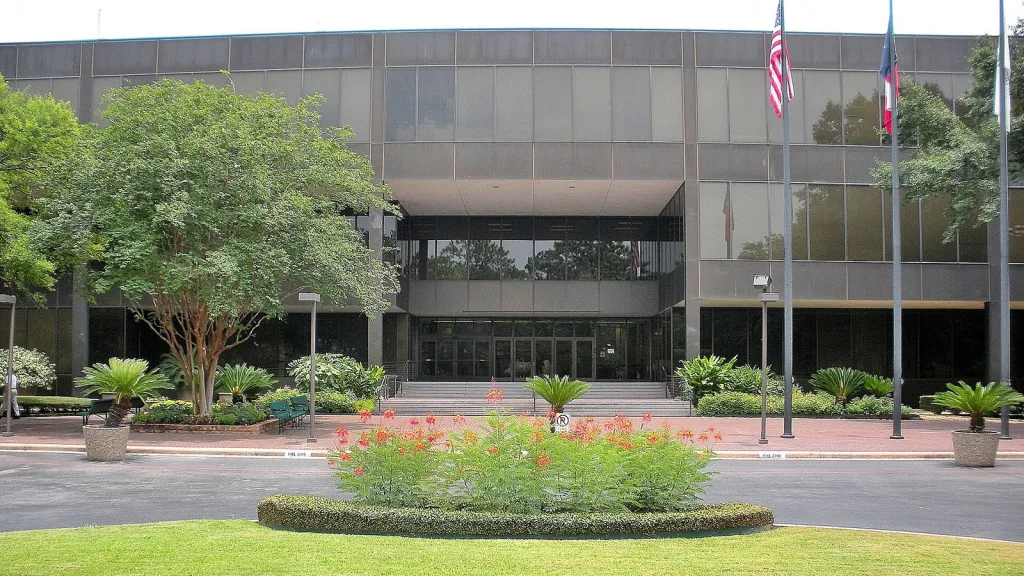
The University of Houston-Clear Lake does not run Johnson Space Center, and it does not need to. It sits a short drive away, in a part of town whose office parks, restaurants and housing stock have been shaped for decades by NASA and the contractors who work with it. A large share of the university’s story is the quieter one: people who live in the Bay Area and go to class after a shift, or who came for a science or education program and stayed.
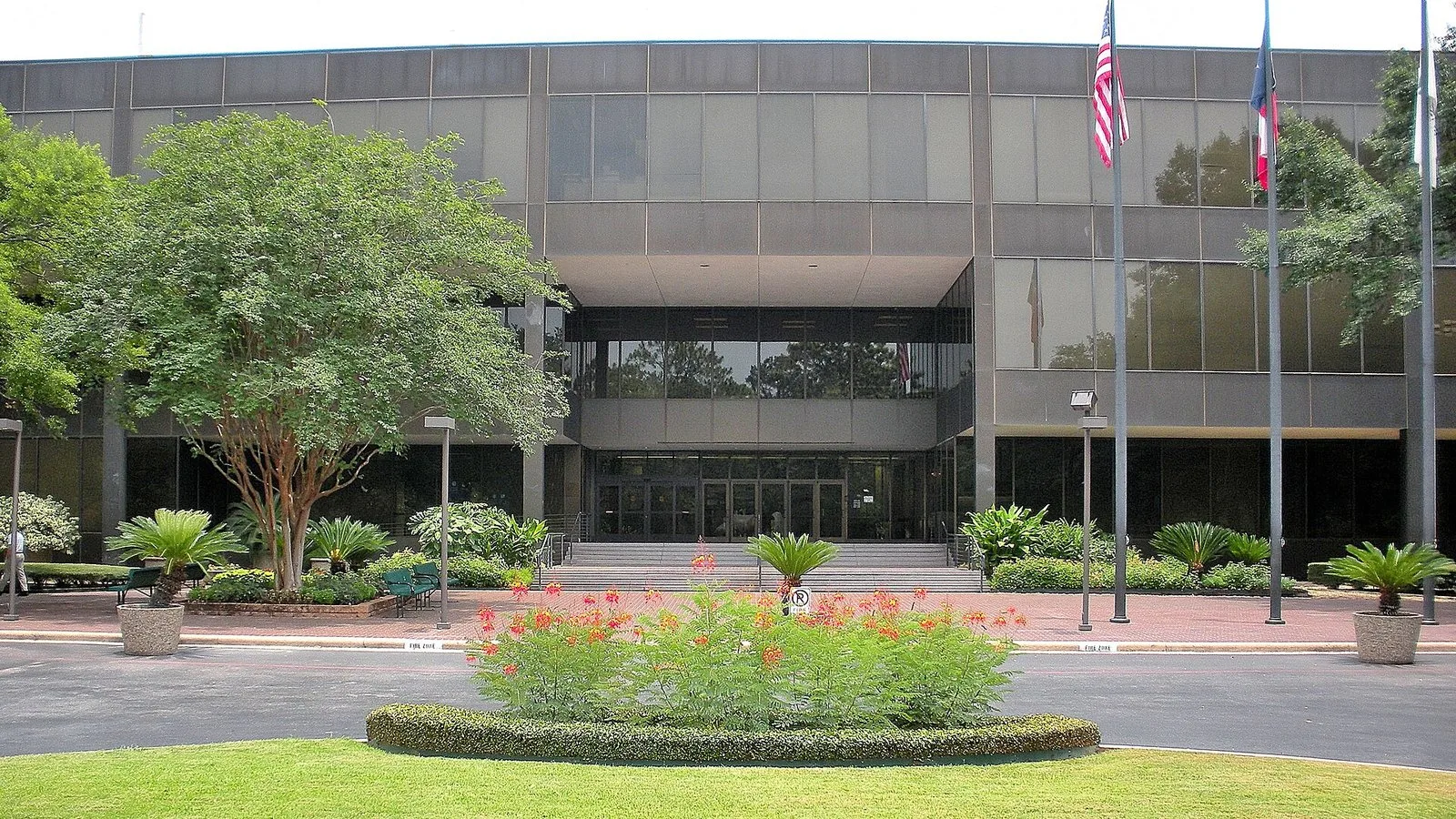
UHCL opened in the 1970s, as the communities around the space center were still filling in. It is now a full university in the University of Houston System, with a campus that is easy to miss if you only drive El Camino Real or NASA Parkway and never turn in. Enrollment, program lists and construction plans are published by the university; they change, and the school’s own pages are the right source for the current catalog.
What does not change as fast is the geography. Clear Lake’s economy is not only tourism at Space Center Houston and it is not only federal employment. It is a mix of contractors, hospitals, the university, the retail along the bay and the households that depend on all of it. When NASA adds a building or a mission, the effect shows up in leases and in classrooms as well as in a press kit.
Local coverage of “Space City” that mentions only the agency is leaving out the campus that has been training neighbors for half a century. This account is a place-setter, not a budget analysis. For figures, use UHCL’s official fact book and NASA’s public employment information, not a rounded claim in a speech.
Sources: University of Houston-Clear Lake institutional history and public information; standard accounts of the Clear Lake economy around Johnson Space Center.