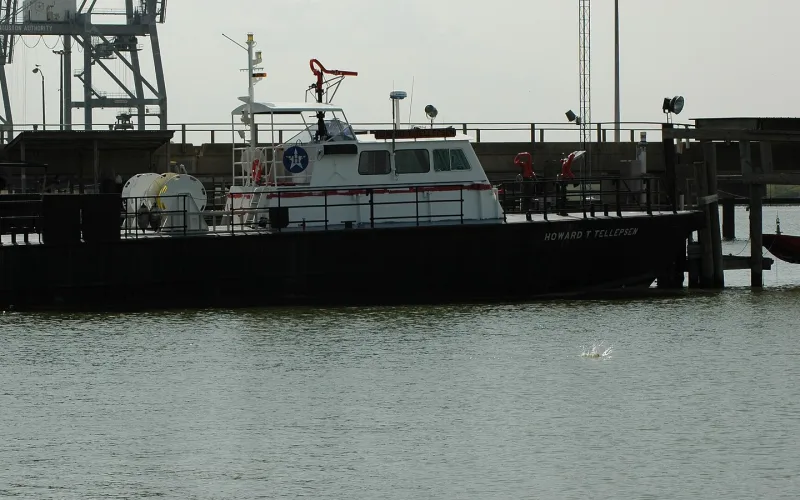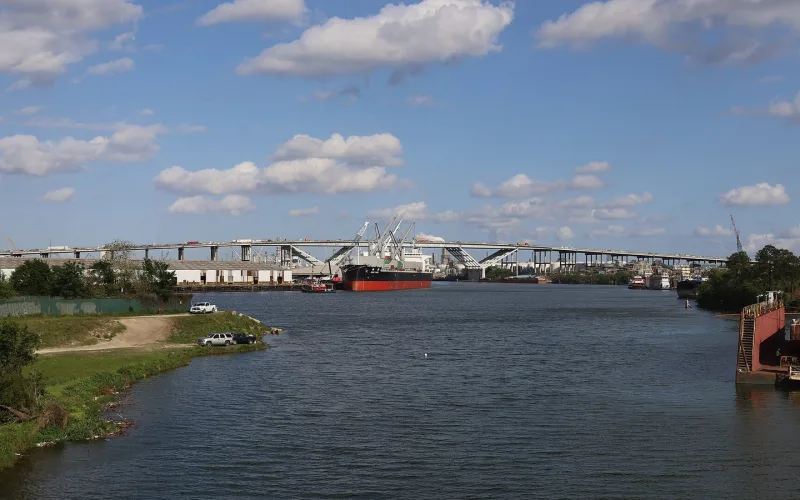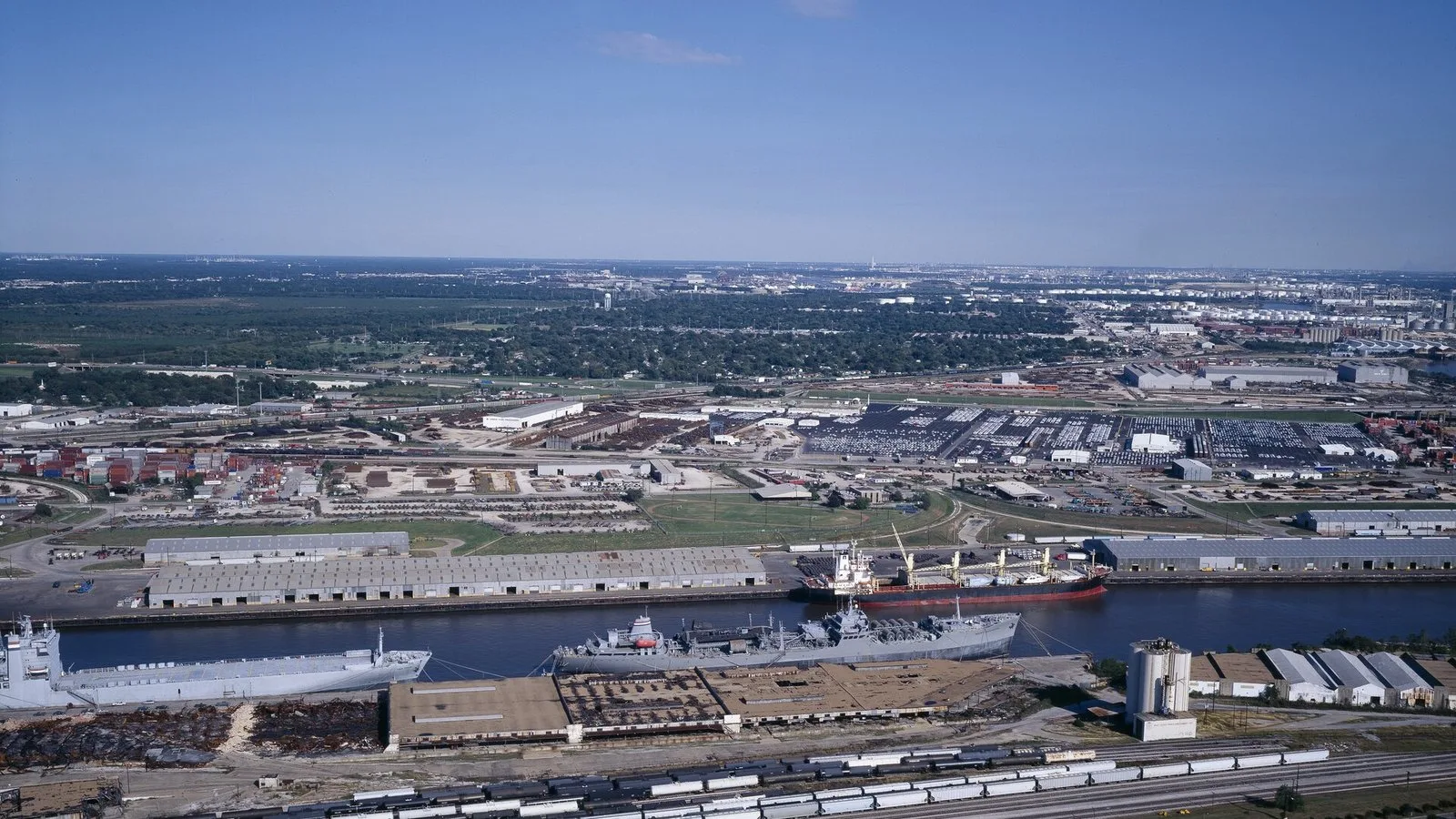
Port Houston’s public statistics are written in TEUs and tons. The local economy is written in shifts. Dock work at Barbours Cut and Bayport, the truck queues on State Highway 146 and 225, the Houston Pilots on the water, the clerks and mechanics and contractors who keep a terminal moving — those are how a September container count becomes a household in Morgan’s Point, La Porte, Pasadena or Seabrook.
Federal maritime-employment reports from the U.S. Maritime Administration have, for years, placed Texas and the Houston complex among the largest maritime job centers in the country. That finding is consistent with what a weekday dawn already shows on the feeder roads. It is also broader than the port authority’s own payroll. Most of the people in this labor market do not work “for Port Houston” in the narrow sense. They work on or around the port.
A jobs story should be careful with numbers. This one will not invent a headcount for a terminal or a trucking firm. The documented facts are the cargo figures, the MARAD rankings in their various years, and the visible structure of the work. When the port talks about a widened channel or a possible expansion at Spilman Island, the employment question is not a slogan. It is whether those projects change the number of gates, night shifts and driving jobs, and on what timeline.
Readers who want a precise labor figure should look at BLS and MARAD tables, and at the companies’ own filings when they exist. The newspaper’s job is to keep the people in the same frame as the boxes.
Sources: Port Houston 2026 cargo releases; U.S. Maritime Administration maritime workforce reports; local geography of terminal, trucking and piloting work around Barbours Cut and Bayport.