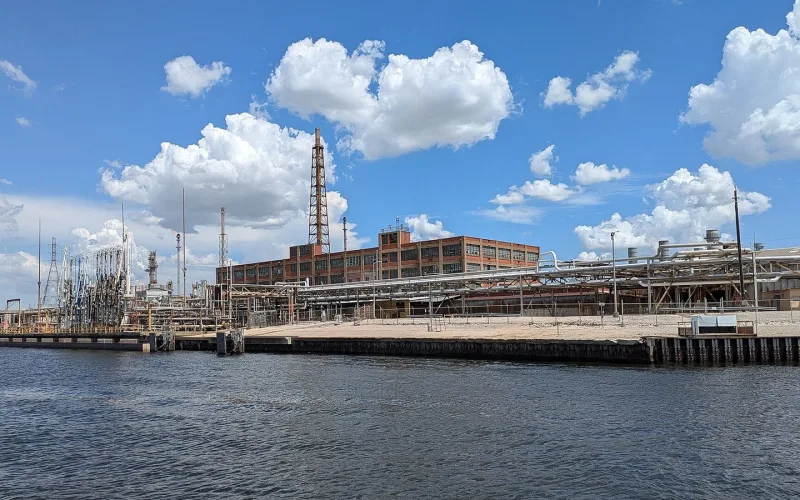
The Texas Bay Area’s economy is often described from the water inward: the port, the plants, the space center. That is the correct large map. It is not a complete map of a Tuesday morning in Seabrook or a school-night dinner in Clear Lake. Those hours are decided by shopfronts — the bakeries, tool stores, clinics and restaurants that either have enough weekday trade to stay open or they do not.
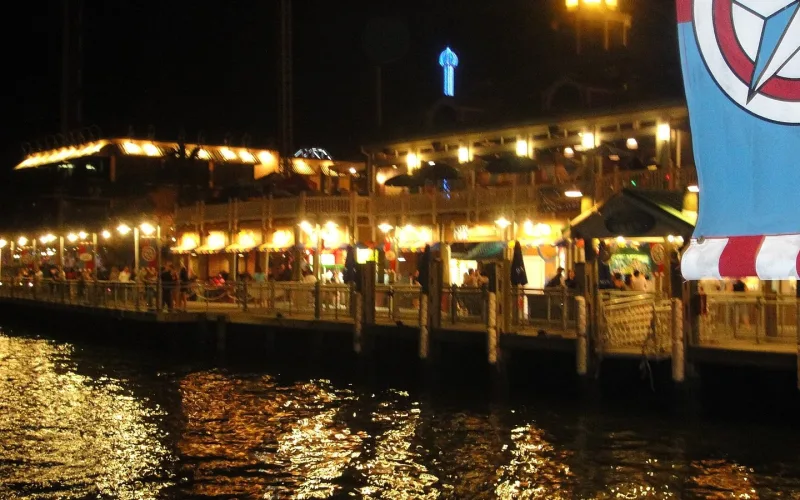
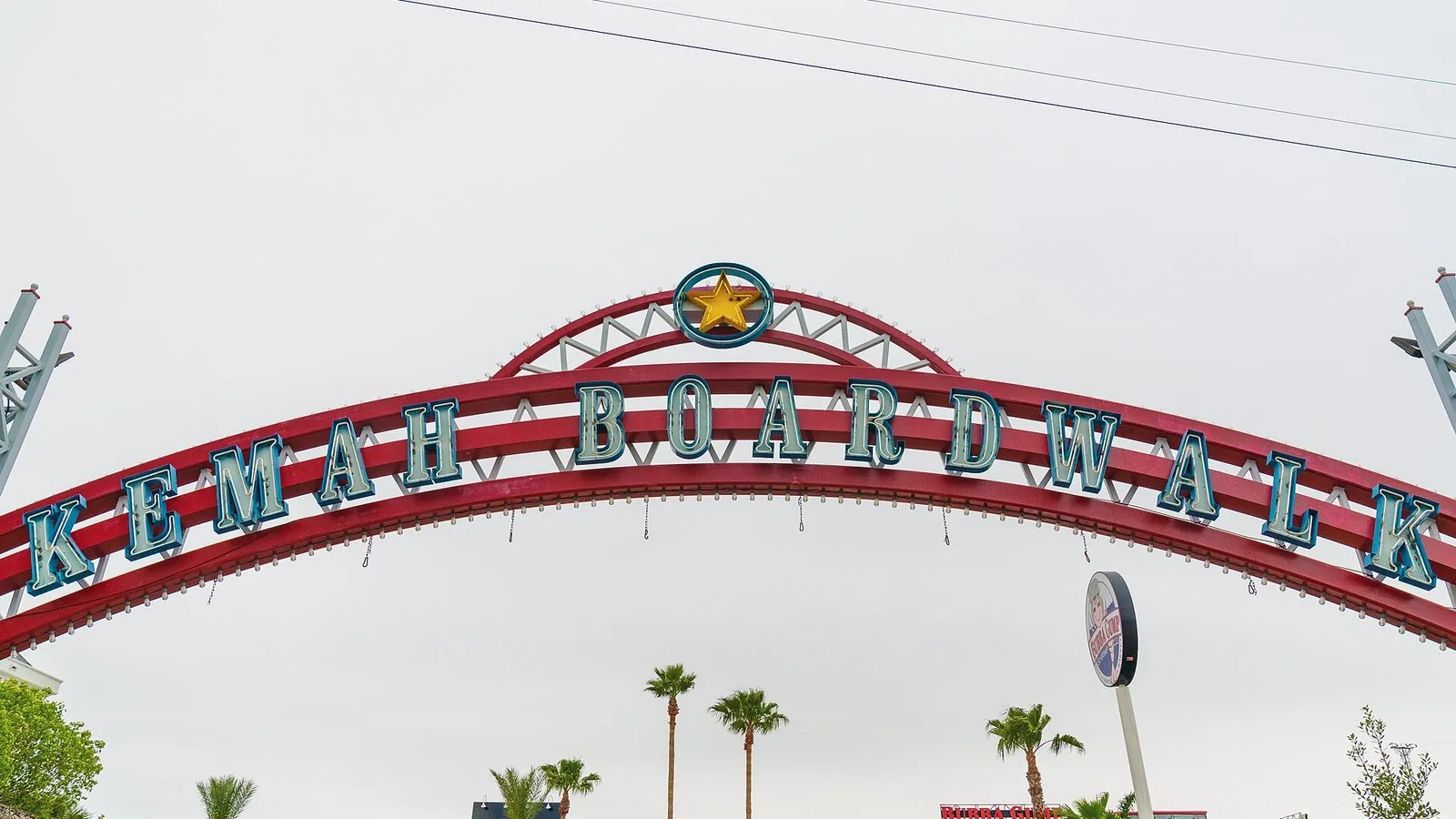
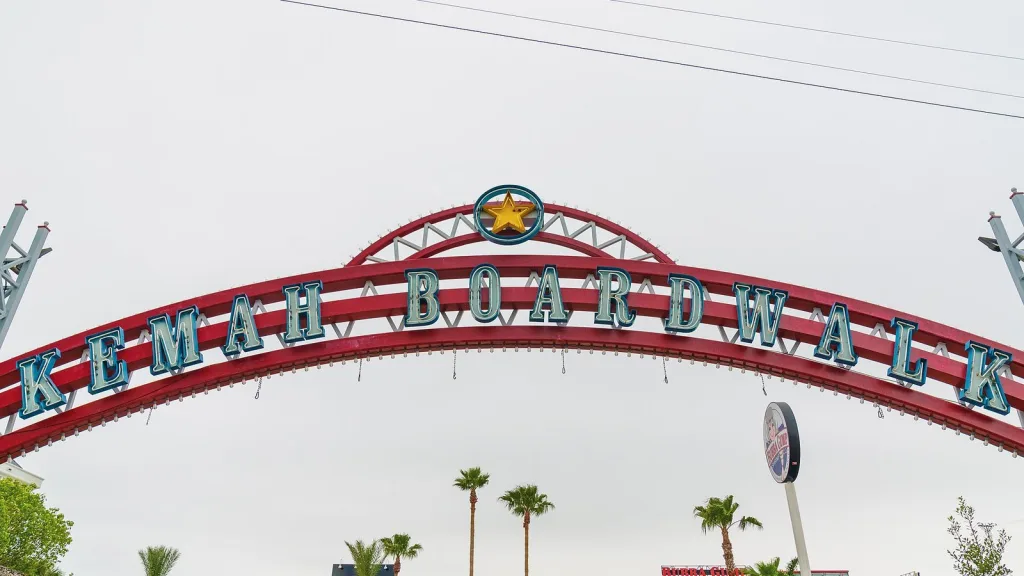
Recent openings reported by Community Impact, including a Harbor Freight store and the Maddie Cakes bakery in Seabrook, are small data points in that second economy. So is the plan for a Boardwalk Bay water park in Kemah, which points the other direction: a larger bet on visitors. A healthy town needs both, and it needs them in a mix that does not turn every street into a weekend-only district.
City halls influence this more than they sometimes admit. Parking rules, sign ordinances, the speed of a certificate of occupancy, and the condition of the street in front of a shop all show up as a landlord’s calculation. So do insurance costs and flood maps, which are not “business news” in the ribbon-cutting sense and are the first thing a merchant will mention if you ask why a space is empty.
This is a frame for coverage, not a cheer for every new lease. Some shops will close. Some national chains will outlast the independents. The job of a local paper is to notice the openings and the empty glass, and to keep the weekday economy in the same news budget as the port.
Sources: Community Impact reporting on recent Seabrook and Kemah business openings and the Boardwalk Bay plan; general municipal and commercial context for Seabrook, Kemah and Clear Lake.