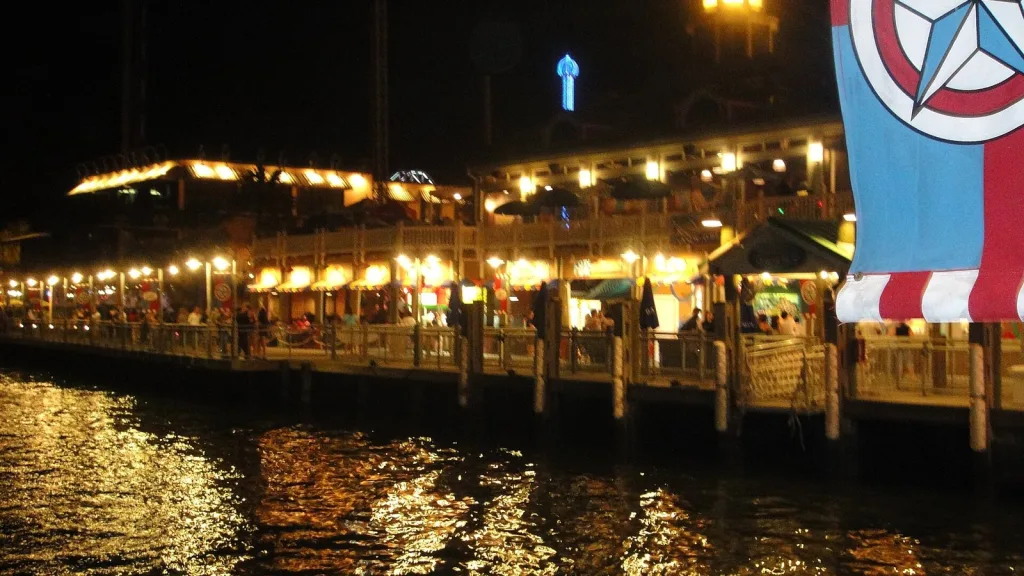
A new bakery or a new tool store is a visible business story. A renewal letter from an insurer is a quieter one, and on the Seabrook and Kemah waterfront it may be the more important number. Small commercial policies in this part of the bay have to price wind, flood, fire and liability in a Texas insurance market that has been hard for several years, a condition documented in statewide rate and availability coverage and in the ordinary complaints a shopkeeper will make if you ask how the lease is going.
This newspaper did not audit anyone’s policy, and it will not invent a premium. The local claim is structural. A waterfront or near-waterfront space is attractive on a Saturday and expensive to underwrite. Landlords know it, tenants know it, and some empty glass is an insurance story as much as it is a rent story. The same stack of risks that hits a household declarations page — described elsewhere in our finance coverage — hits a commercial policy, with liquor liability or a grease hood sometimes on top.
City halls can help only at the margins: building codes, mitigation, a predictable permit process. They cannot make a carrier like a particular address. State regulation of rates and residual markets is the official forum for the broader fight. The Texas Department of Insurance is the public source for that forum.
The business-beat implication is simple. Coverage of openings in Seabrook and of a water park plan in Kemah should sit next to this fact: staying open, in this climate and in this market, is partly an insurance problem.
Sources: Texas Department of Insurance public information on the commercial and property insurance markets; general, widely reported conditions of a hard insurance market in Texas; local waterfront commercial context in Seabrook and Kemah.