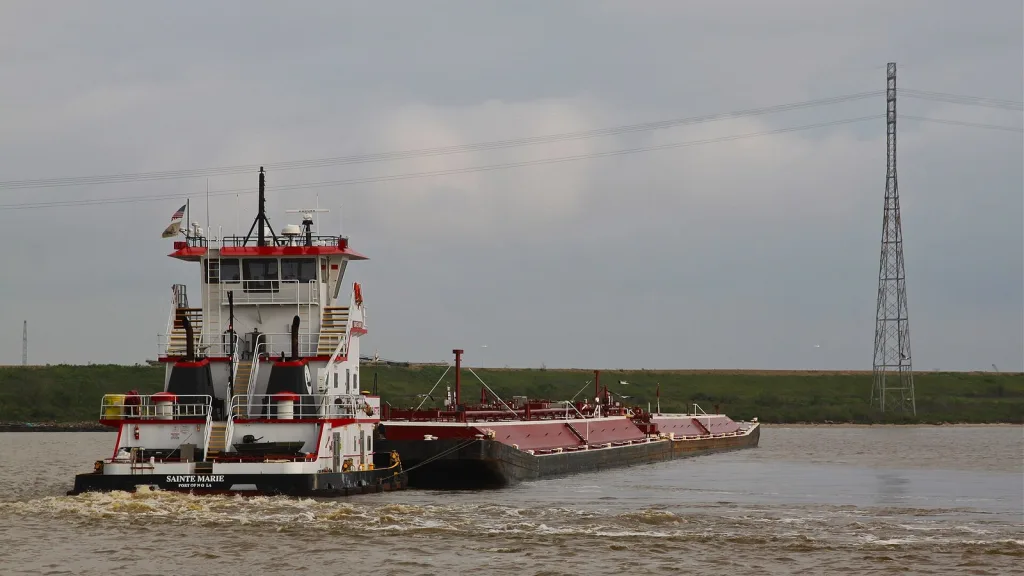
Texas is not a hobbyist maritime state. The U.S. Maritime Administration, in its periodic maritime workforce and economic-impact reports, has repeatedly placed Texas among the very largest states for maritime employment — in some official tallies, third in the country — with the Houston port complex among the leading metropolitan job centers in the same reports. The exact rank can move from one MARAD table to the next, depending on what is counted: water transportation, shipbuilding and repair, terminals, and the broader cluster of port-dependent work.
That is why an older headline at this address could say “third in the nation” and “Houston ranked No.” and still need a careful rewrite. A rank is a snapshot of a methodology. The durable fact is larger. Texas, and Houston in particular, employs a deep bench of mariners, dockworkers, pilots, mechanics, clerks and the people who move oil, chemicals, steel and containers through the channel. Port Houston’s current cargo figures, including a million-plus TEU first quarter in 2026, are the present-tense version of the same economy.
Jobs in this industry are not evenly sprinkled across the state. They cluster at the water. In the Bay Area that means Barbours Cut, Bayport, the plants, the midstream docks, and the offices that support them. A MARAD table that names Texas and Houston is, for a reader in La Porte or Pasadena, a description of the commute.
Anyone citing a specific rank should attach it to a specific report and year. The primary documents are on MARAD’s site. This page now carries that caution, and the still-accurate claim that Texas and Houston remain at the top of the American maritime labor market.
Sources: U.S. Maritime Administration maritime workforce and economic-impact reports (state and metro rankings, including tallies that have placed Texas third nationally and Houston among the top job centers); Port Houston employment and cargo context.