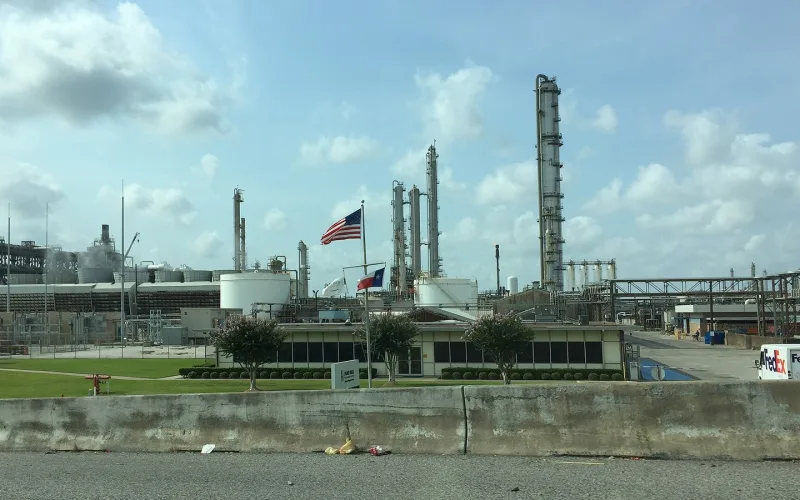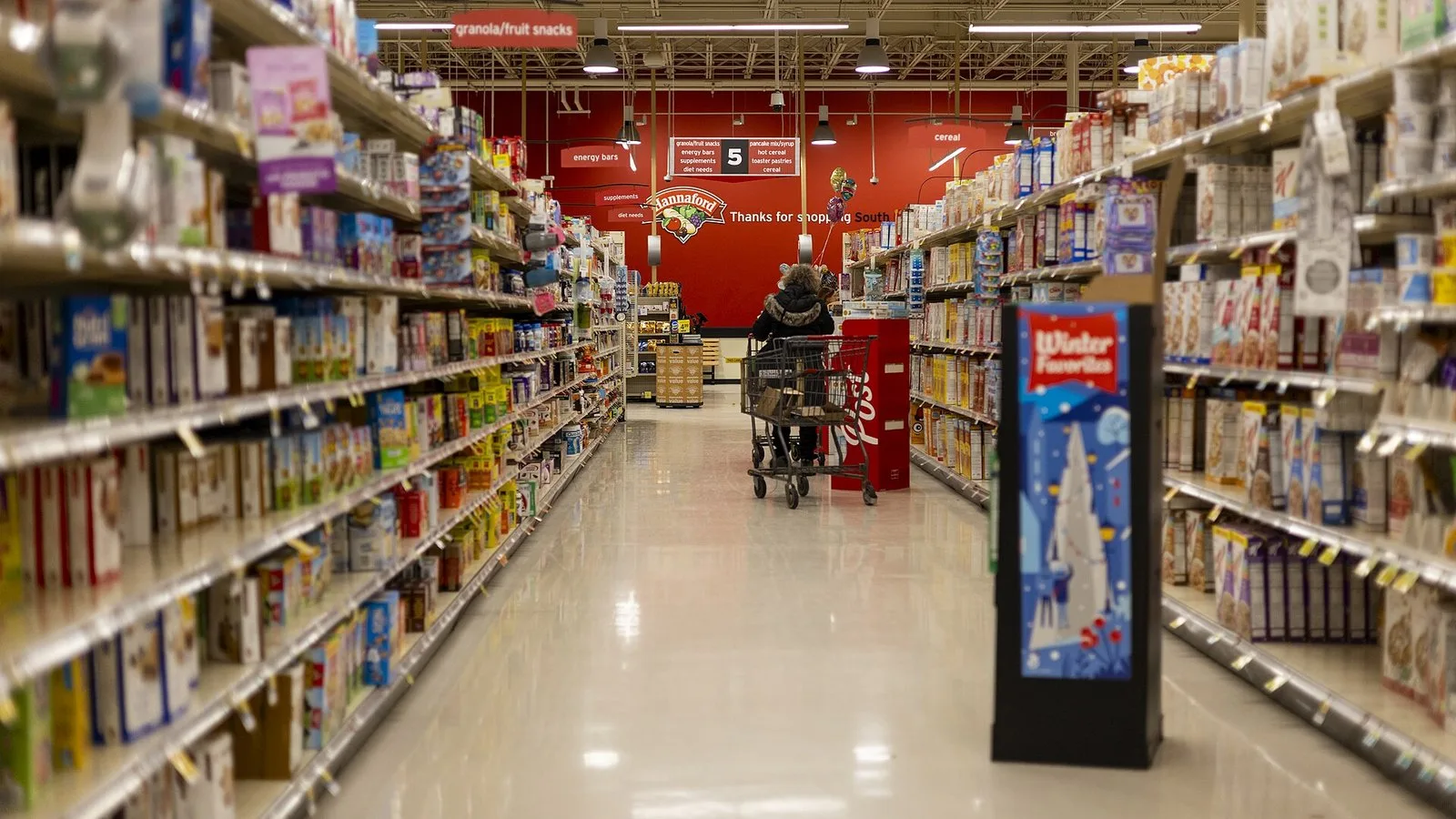
Inflation has cooled from its peak of a few years ago, according to the national Consumer Price Index published by the U.S. Bureau of Labor Statistics, but the index is not a shopping list. The version Bay Area households feel first is still a grocery cart and a fuel receipt, often on the same trip along State Highway 146 or Highway 225.
Food at home and gasoline move for reasons that only partly overlap: commodity prices, insurance and labor at the store, refinery maintenance, and the seasonal demand that comes with a hurricane scare or a holiday week. A national “inflation is easing” headline can be true in the same month that a local ticket is higher than it was last year. Both can be reported without treating either as a trick.
This newspaper is not going to invent a local price index from a handful of receipts. The BLS data, including the Houston-The Woodlands-Sugar Land figures when they are published, are the proper statistical source. The local color is only this: in a region where many people drive to work at a plant or a terminal, fuel is not a lifestyle line item, and groceries are not optional. Those two receipts are the household CPI.
Readers who want to pressure-check a national story should look at the BLS tables and at their own month of bank statements, not at a viral screenshot of a single shelf. The useful local journalism is to keep connecting those tables to the other household costs this beat already covers — flood insurance, appraisals and the city tax rate.
Sources: U.S. Bureau of Labor Statistics Consumer Price Index, including national trends and the Houston-The Woodlands-Sugar Land area series when published.